Leadership is not only about giving directions or making decisions. Great leaders know how to connect with people, understand emotions, and help others grow. That is why emotional intelligence in leadership matters so much today.
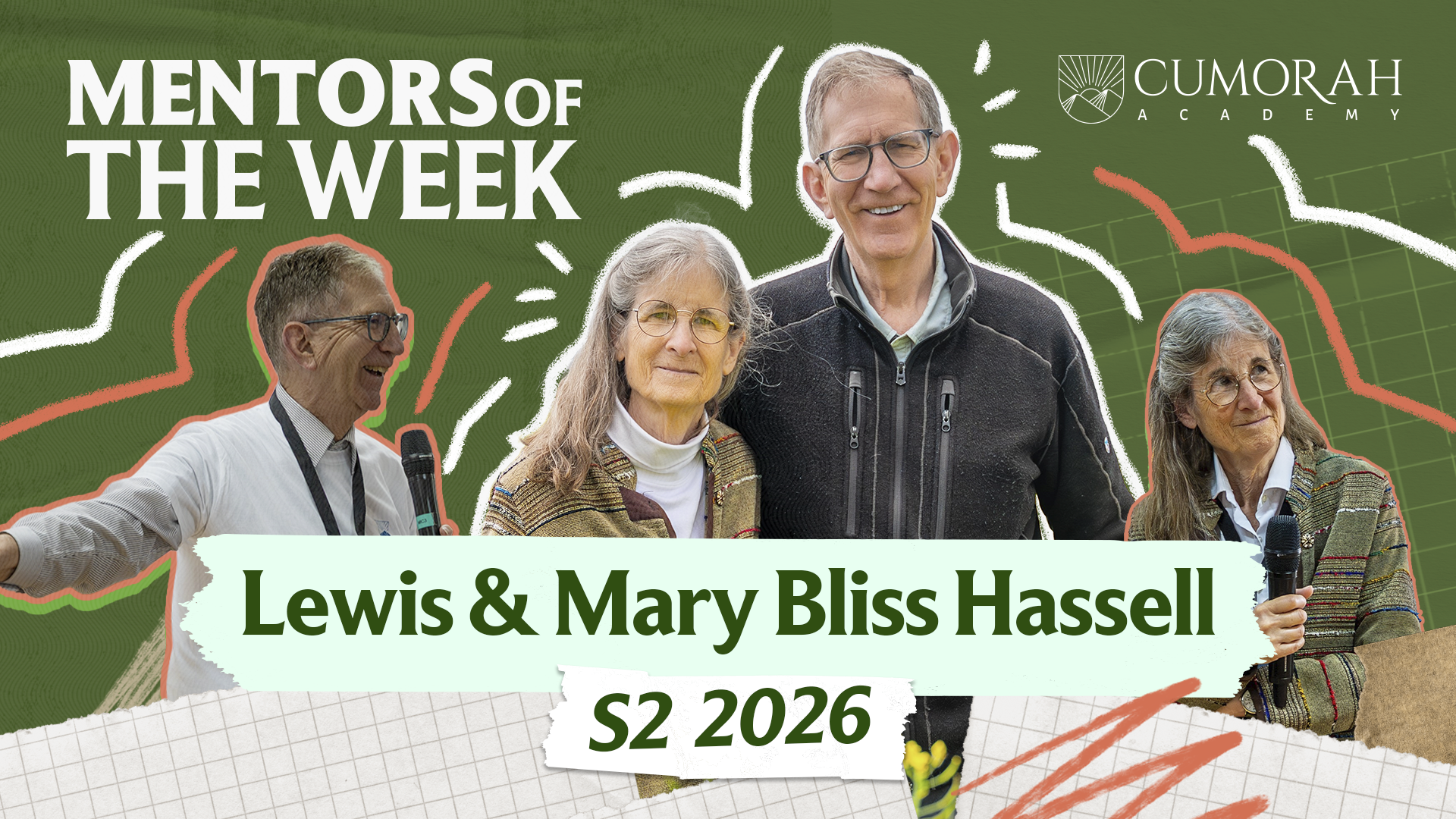
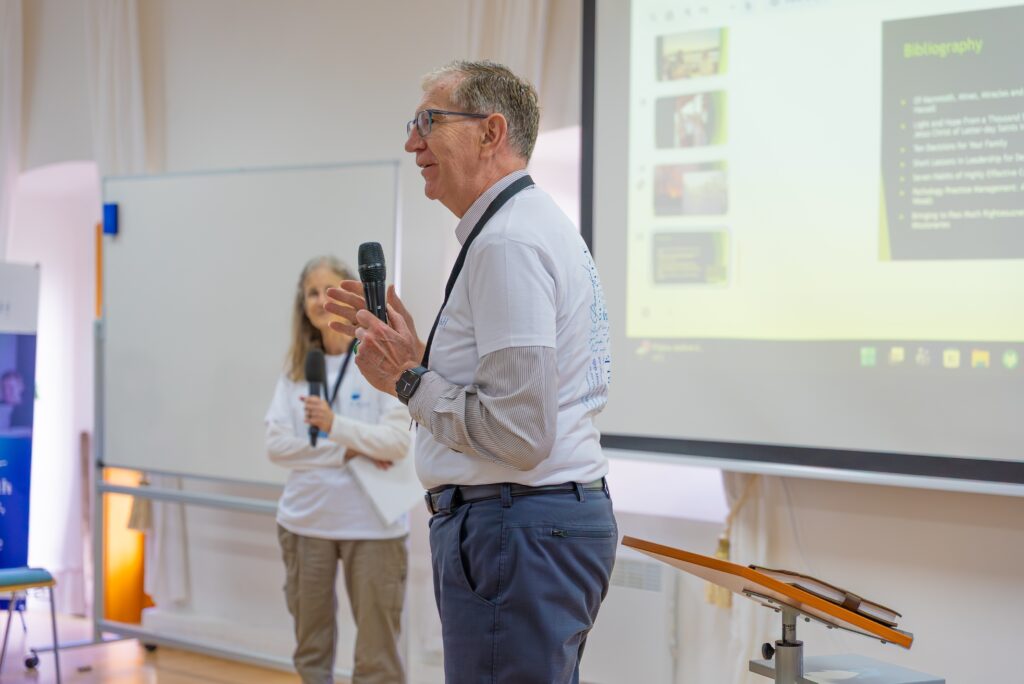
Recently, students at Cumorah Academy had the chance to learn from Lewis and Mary Hassell. Their lessons helped students understand how emotional intelligence can shape stronger leaders, better relationships, and brighter futures.
The couple met at Brigham Young University. Since then, they have built lives focused on learning, service, and helping others grow. He works as a pathologist, and his desire to serve the community inspired him to choose this career path.
“We first learned about Cumorah Academy when two of our friends from Oklahoma were called here as the Institute Missionary Couple,” says the couple.
Their experience and guidance provided students with practical lessons in leadership and personal growth. More importantly, they showed students how emotional intelligence in leadership changes the way people lead and influence others.
Why Emotional Intelligence Matters
Many people think leadership only depends on confidence, intelligence, or talent. While those things matter, emotional intelligence often makes the biggest difference.
Emotional intelligence means understanding your own emotions and learning to respond to others’ emotions. Leaders with emotional intelligence listen carefully, stay calm under pressure, and treat people with respect.
Because of this, teams trust them more easily. People also feel safer sharing ideas, asking questions, and improving themselves.
Without emotional intelligence in leadership, leaders can create fear, confusion, and frustration. Teams may lose motivation when they feel ignored or misunderstood. Over time, communication breaks down and relationships suffer.
On the other hand, emotionally intelligent leaders inspire people to do their best work. They create environments where people feel valued and supported.
That is one reason why this topic matters for young adults today. No matter what career you choose, you will work with people. Learning how to understand and guide others will help you succeed in every area of life.
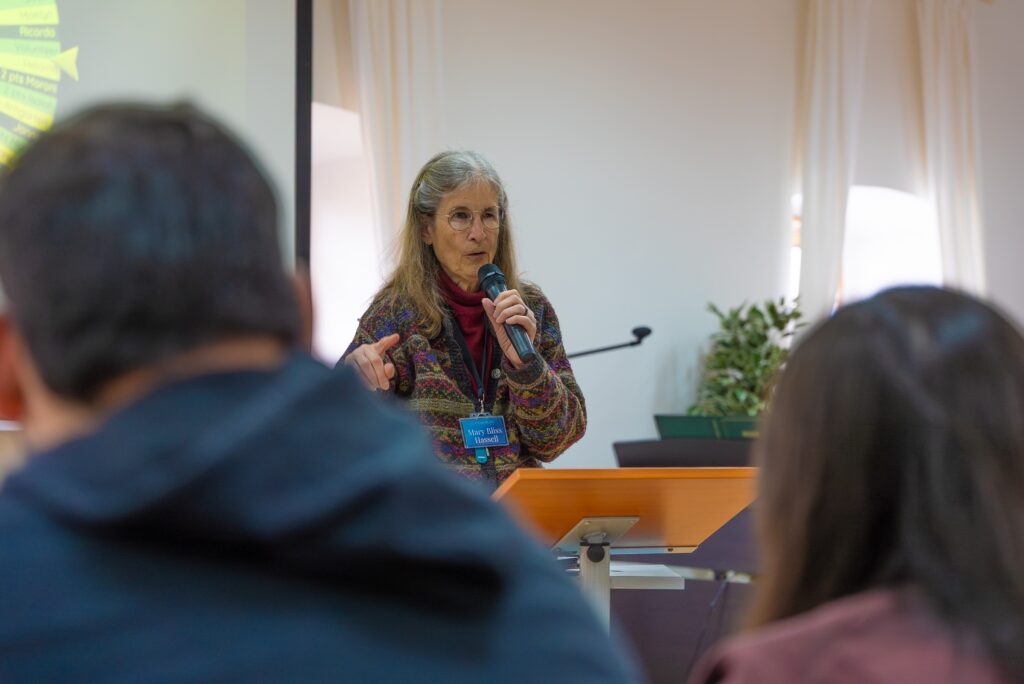
Leadership Starts with Empathy
Mary shared an important message with students during her visit:
“People choose you as a leader by your capability to be an empathetic, loving force of guidance towards others.”
This advice highlights one of the most important parts of emotional intelligence in leadership: empathy.
Empathy allows leaders to understand how other people feel. Instead of focusing only on results, empathetic leaders care about people’s struggles, fears, and goals. They take time to listen and help others improve.
Young adults sometimes believe leadership means controlling people. In reality, leadership means serving people.
Strong leaders guide others with patience and kindness. They encourage growth instead of using fear. They build trust instead of demanding attention.
When leaders develop empathy, they become more effective communicators. They also create stronger friendships, healthier teams, and better communities.
Accountability Creates Strong Leaders
While empathy matters, accountability also plays a major role in leadership growth.
Lewis encouraged students to take responsibility for their actions every day.
“Don’t run from accountability: choose it daily without anyone to ask it from you.”
This lesson connects directly to emotional intelligence in leadership because emotionally intelligent people understand the importance of personal responsibility.
Great leaders do not blame others for mistakes. Instead, they learn from challenges and continue improving. They stay honest with themselves and work hard even when no one is watching.
For many young adults, accountability feels difficult at first. However, small daily habits create lasting growth. Waking up on time, keeping promises, and finishing important tasks all help build strong character.
Over time, accountability increases confidence. People begin to trust leaders who consistently follow through on their responsibilities.
That trust becomes the foundation of effective leadership.
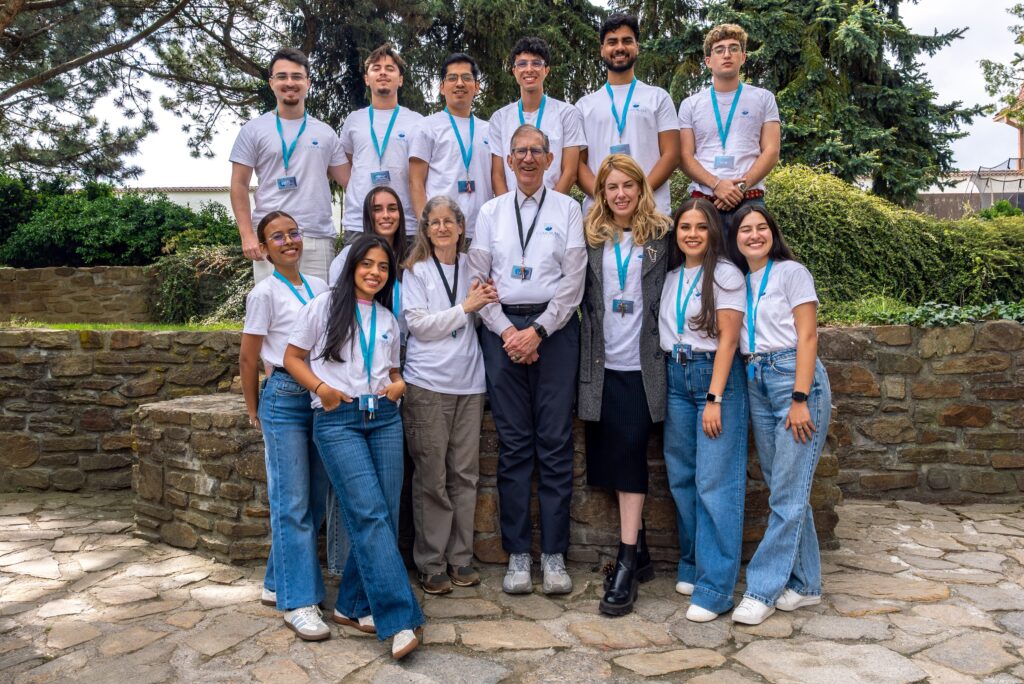
Students Felt Inspired by the Experience
The lessons shared by the Hassells deeply impacted students at Cumorah Academy.
One student from Japan, Giovanna, shared:
“I think this week’s mentors have a lot of wisdom that comes from time and experience, but also feel their love and care towards us!”
This response shows why mentorship matters so much. Students not only remember information. They remember how mentors make them feel.
Leaders with high emotional intelligence help others feel seen, valued, and encouraged. They motivate people through genuine care and example.
Because of this, emotional intelligence in leadership creates stronger connections between leaders and teams. People are more willing to grow when they feel supported rather than judged.
Young adults especially benefit from mentors who guide them with patience and understanding. During important years of life, supportive leadership can completely change someone’s future.
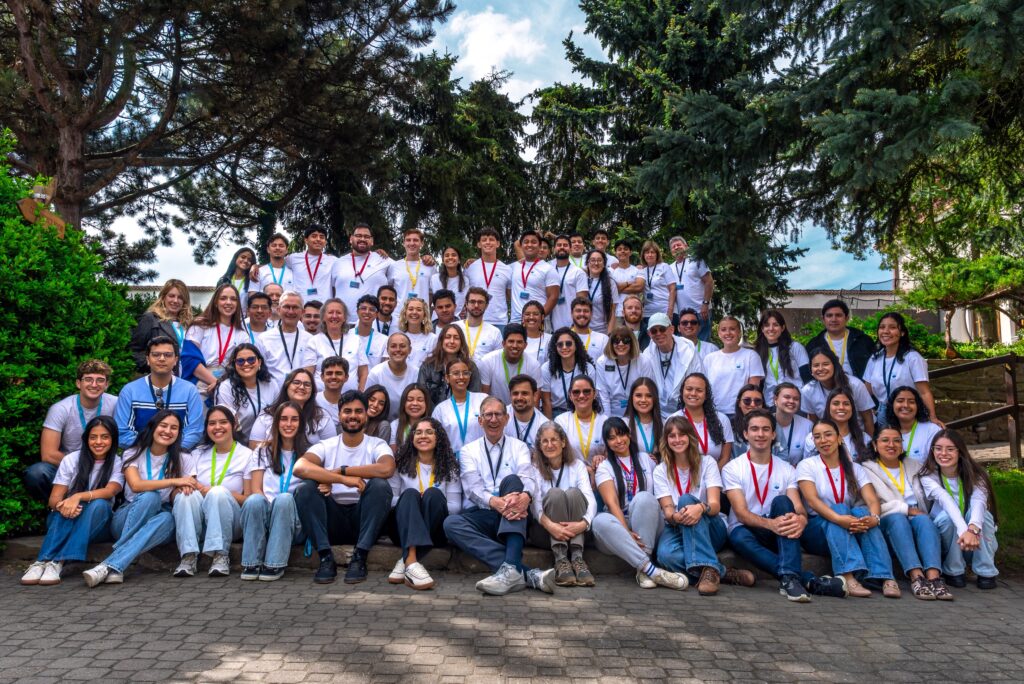
How Students Develop Emotional Intelligence
At Cumorah Academy, students actively develop leadership skills and emotional intelligence through daily experiences.
From the moment students arrive on campus, they participate in activities that help them grow personally, spiritually, and professionally. They learn how to communicate clearly, work with others, solve problems, and lead with confidence.
As students practice these skills every day, they become more prepared for future careers, missions, education, and personal goals.
Most importantly, they learn that leadership is not about power. Leadership is about helping people grow.
That mindset prepares students to become leaders who inspire positive change wherever they go.
Start Your Leadership Journey
Learning emotional intelligence in leadership can change your future. These skills will help you build stronger relationships, become a better communicator, and lead with confidence.
At Cumorah Academy, young adults gain practical leadership experience while learning from mentors who truly care about their growth.
If you want to strengthen your leadership skills, discover your purpose, and prepare for your personal and professional goals, now is the perfect time to apply.