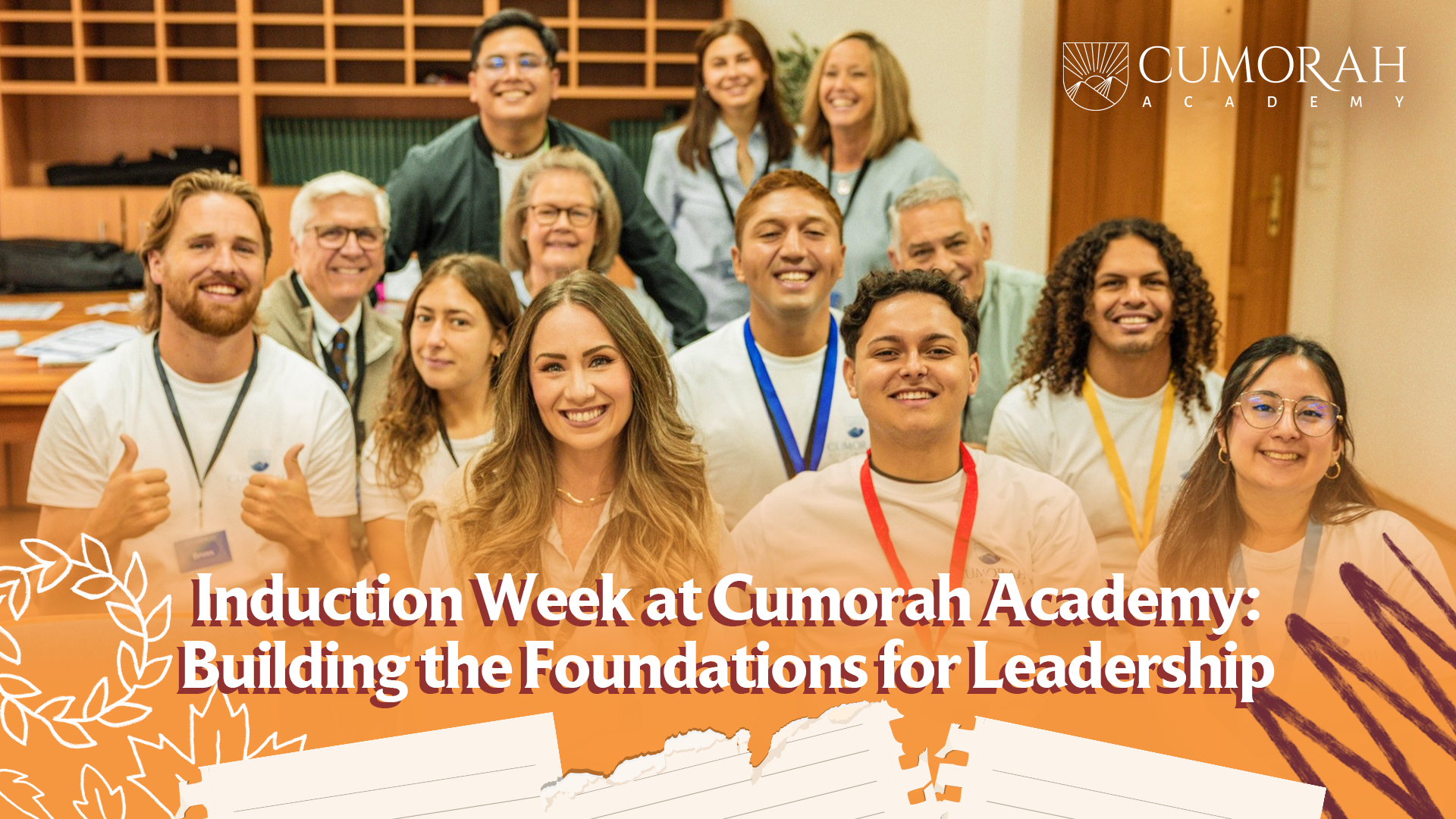
Leadership does not begin when someone receives a title. It begins when a person learns to make meaningful decisions, understand their strengths, and use them to serve others.
At Cumorah Academy, students explored these ideas during a week focused on a fundamental question: “Am I a Leader?” The experience challenged students to look beyond traditional ideas of leadership and recognize the different ways they can lead.
The week focused on leadership skills, personal traits, defining moments, relationships, and the role of faith in becoming a better leader.
Learning Leadership From Experienced Mentors
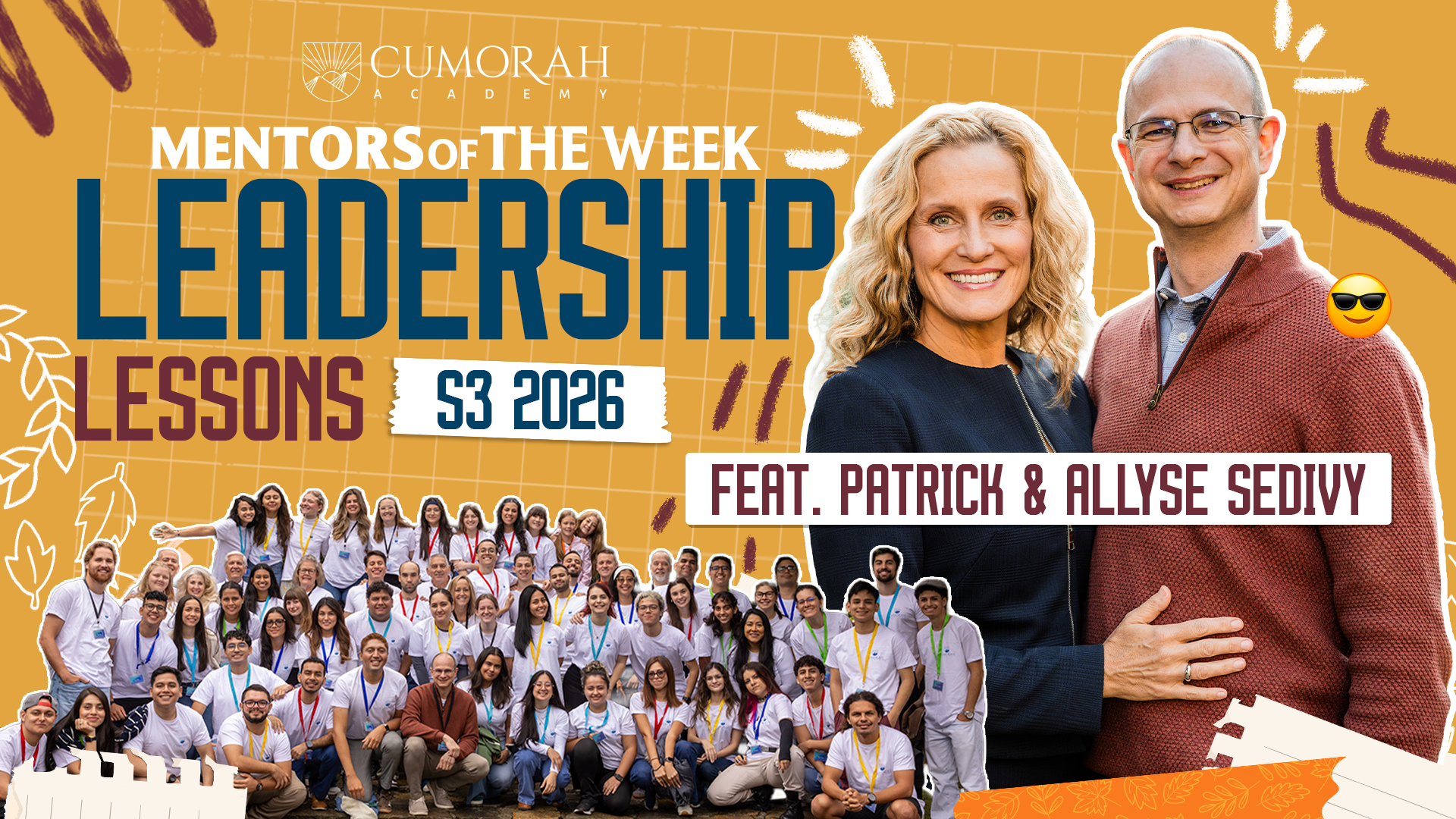
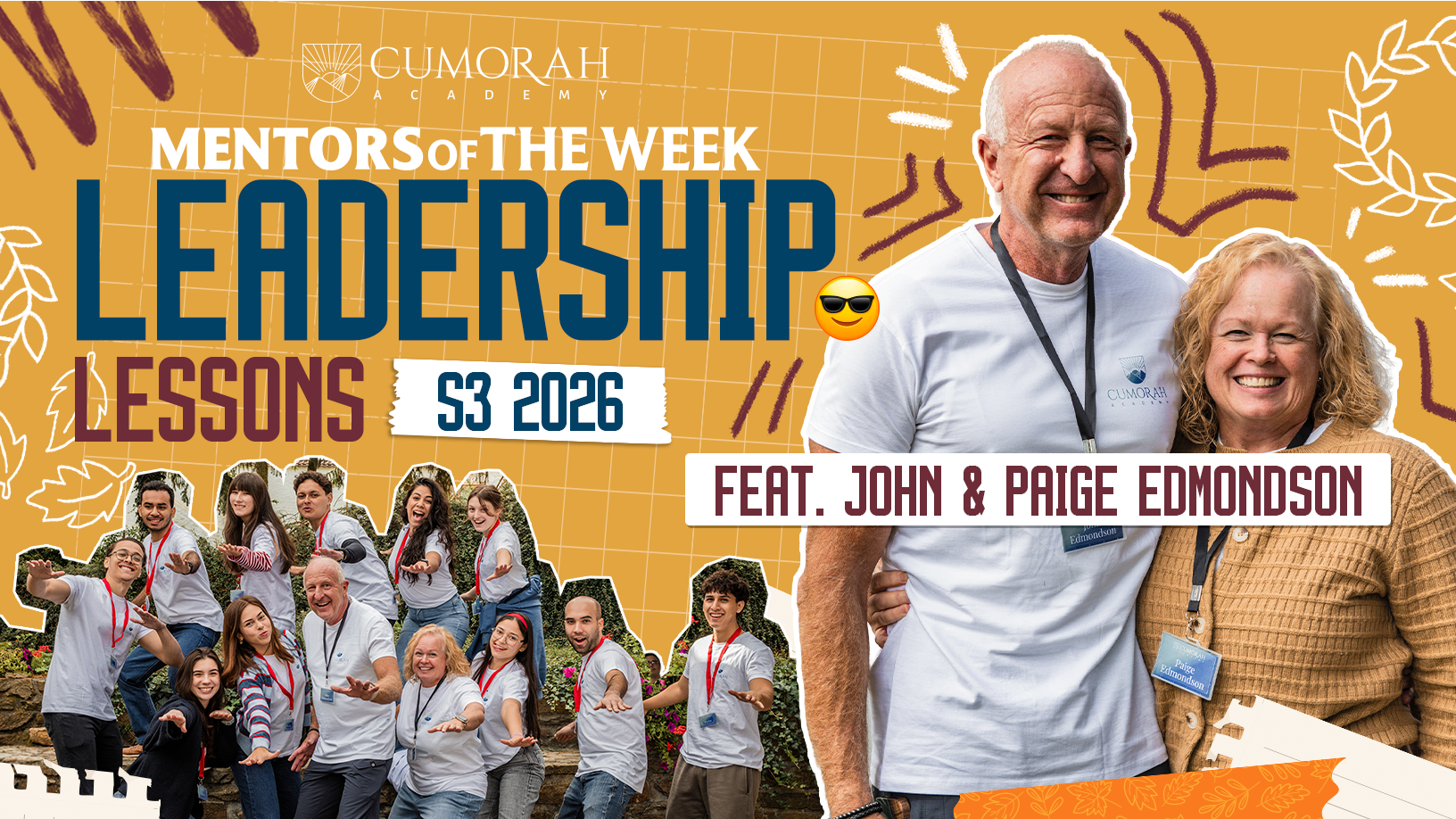
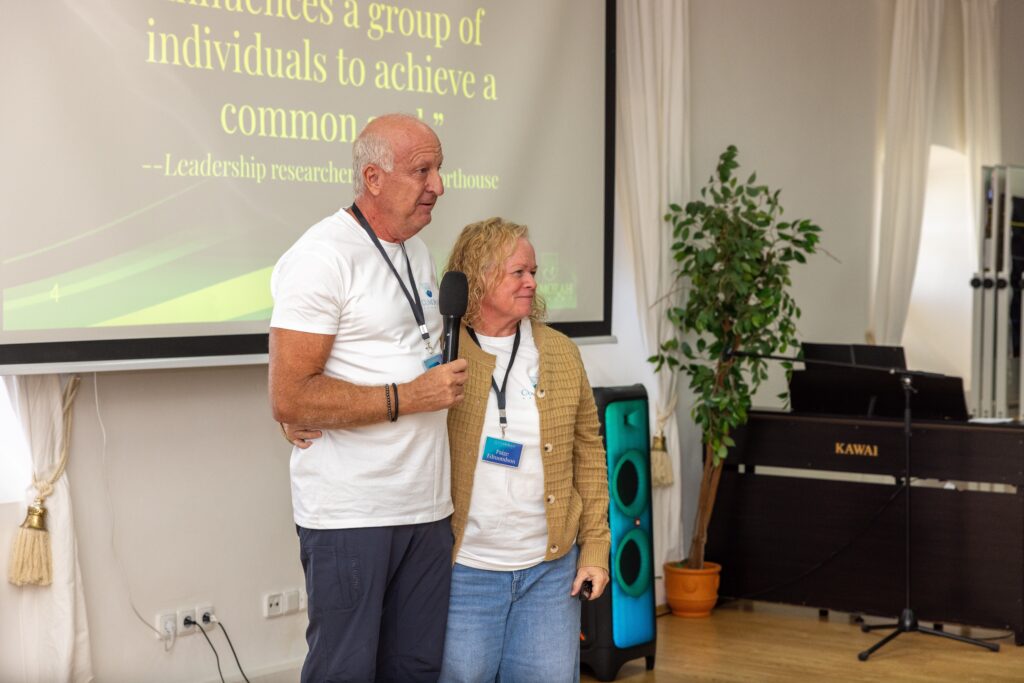
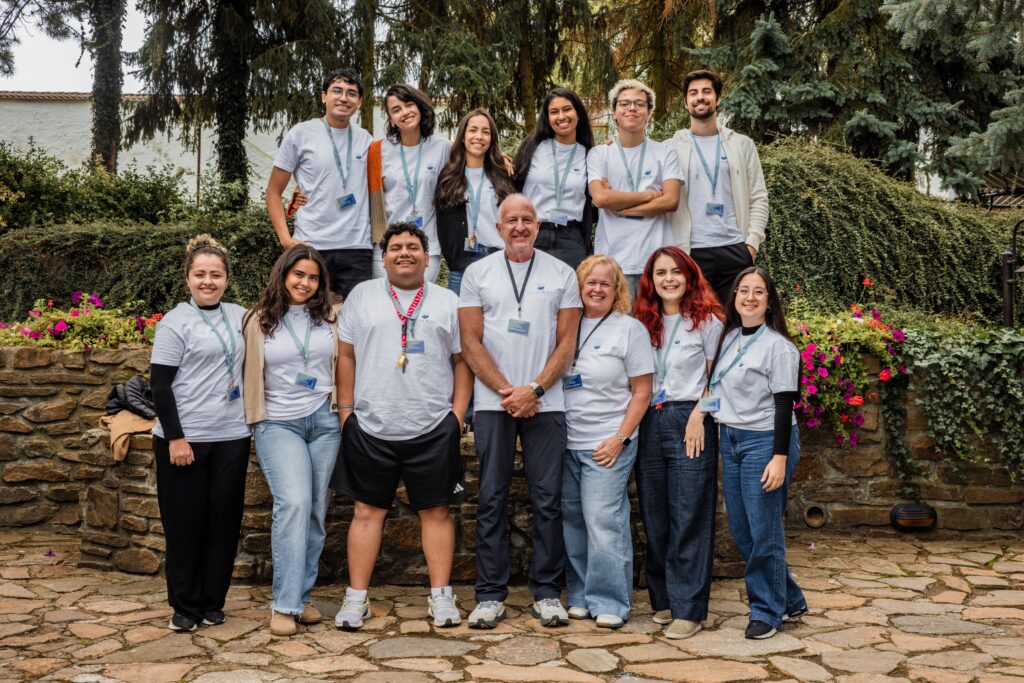
Students explored these leadership principles with guidance from visiting mentors John and Paige Edmondson, who brought their own experiences and perspectives into the classroom.
They discussed leadership traits, defining moments, personal strengths, relationships, and the importance of building a network of people who can support personal and professional growth.
Their teaching also emphasized that leadership looks different for each person and that students can develop their God-given talents through learning and practice.
The mentors helped students connect leadership principles with real experiences and consider how they could apply those lessons in their own lives.
Leadership Starts With Knowing Yourself
One of the week’s central ideas was that effective leaders do not need to possess every leadership trait.
Instead, students learned to recognize the skills and God-given talents they already have and develop them through learning and training.
Strong leadership requires understanding your strengths and developing them with intention.
This approach gives leadership a more personal meaning. Students can identify the qualities that make them unique and learn to apply them when working with others.
Leadership also requires responsibility. While different people may lead in different ways, certain principles remain important when guiding others.
For students, this meant viewing leadership as a skill they could continue to develop rather than a quality reserved for a specific type of person.
Defining Moments Can Change Your Leadership
Another important part of the week focused on defining moments.
Fernando Mercês Silva, from Brazil, particularly enjoyed learning about this concept. He found it surprising that defining moments can happen more than once throughout a person’s life.
These moments often appear when people face important decisions. The choices they make can influence their direction, values, relationships, and approach to leadership.
Leadership develops through the decisions people make when their choices carry real meaning.
Understanding defining moments can help young adults reflect on their experiences. Instead of viewing difficult decisions only as challenges, they can also see them as opportunities to discover who they want to become.
This reflection can strengthen leadership by influencing how people respond to future situations.
Faith Can Shape the Way Leaders Serve
Leadership also involves values.
For Martha Julia González Pérez, from Mexico, one of the most meaningful parts of the experience involved connecting leadership principles with God and the gospel.
She appreciated learning about leadership through the principles taught in the gospel and believes those principles can help her become an honest, good leader.
This perspective highlights an important aspect of leadership: how a person leads depends not only on what they can do but also on the values that guide their decisions.
Leadership skills can help someone communicate, organize, make decisions, and influence others. Values help determine how that person uses those abilities.
For young adults who want to become leaders, developing both areas can create a stronger foundation for future responsibilities.
Learn From People Without Putting Them on a Pedestal
Leadership also involves learning from other people.
Julia Miranda Nagata, from Brazil, enjoyed learning about the importance of avoiding the tendency to put inspiring people on pedestals.
People can inspire us even with their imperfections. Recognizing this reality can help leaders learn more effectively from those around them.
Rather than expecting one person to provide all the answers, Julia learned the value of identifying the qualities she admires in others and applying them to her own development.
Good leaders can learn from many people without expecting anyone to be perfect.
This mindset can also strengthen relationships. When people recognize both the strengths and imperfections of others, they can build more realistic expectations and focus on what they can learn.
Leadership Requires a Network
Leadership rarely happens in isolation.
During the week, students also explored the importance of building a network of people who can support them personally and professionally.
Mentors can play an important role in that process. Their experiences can provide perspective, encouragement, and practical lessons that students may not discover on their own.
The visiting mentors also shared their own experiences with Cumorah Academy. Their decision to come to campus was encouraged by friends who had previously served as mentors.
Their experience reinforced another leadership principle: moving forward can create opportunities that become visible only after you take the first step.
Trust yourself, trust God, and keep moving forward, even when you do not have every part of your plan figured out.
Leadership Is Something You Practice
The week ended with an activity that allowed students to apply what they had learned.
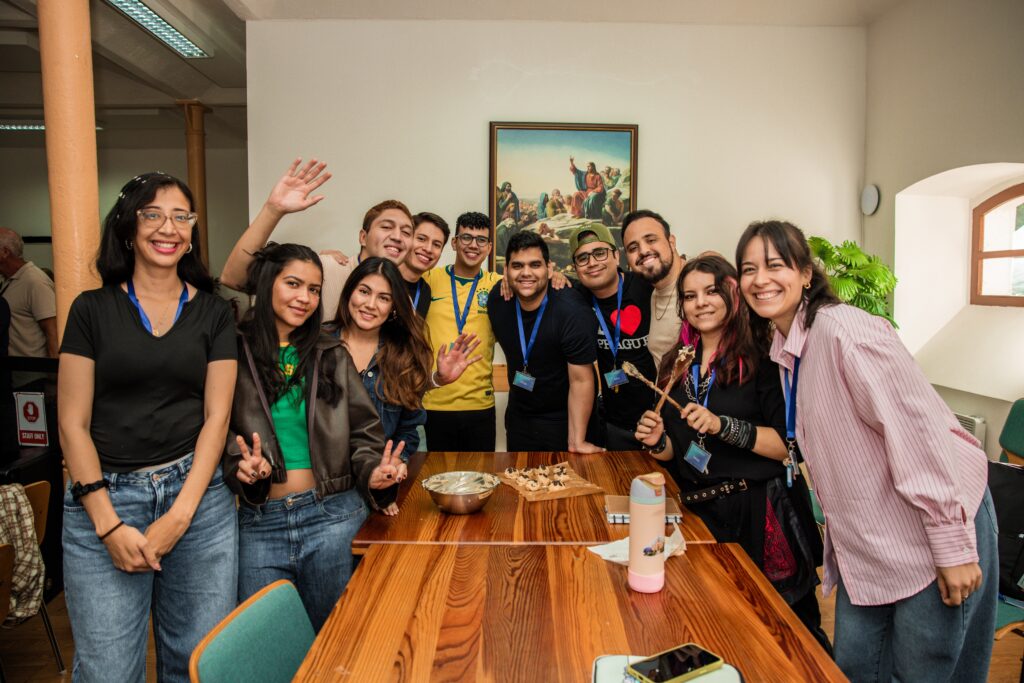
Instead of keeping leadership as a theoretical subject, students practiced their skills through a collaborative exercise involving baking cookies.
The activity gave them an opportunity to communicate, work together, make decisions, and apply the principles discussed throughout the week.
That practical application matters because leadership develops through action.
For young adults, this creates an important challenge. Leadership does not require waiting for a future job, promotion, or official position. It can begin through everyday decisions, relationships, service, and personal responsibility.
The question “Am I a Leader?” therefore becomes more than a classroom discussion. It becomes an invitation to examine how you make decisions, use your talents, respond to defining moments, learn from others, and serve the people around you.
Are You Ready to Develop Your Leadership?
You do not need to have everything figured out before you start leading.
You can begin by discovering your strengths, learning from meaningful experiences, developing your skills, and choosing to move forward.
If you are a young adult looking for an environment where you can develop leadership skills, discover your purpose, and grow through real experiences, explore what Cumorah Academy can offer you and take your next step toward becoming the leader you can become.