
What is leadership to you?
How do you recognize when someone is leading effectively?
Many people immediately picture a confident speaker, someone outgoing, persuasive, and always in control.
But real leadership looks very different in practice.
It comes in multiple forms, each with unique strengths and purposes.
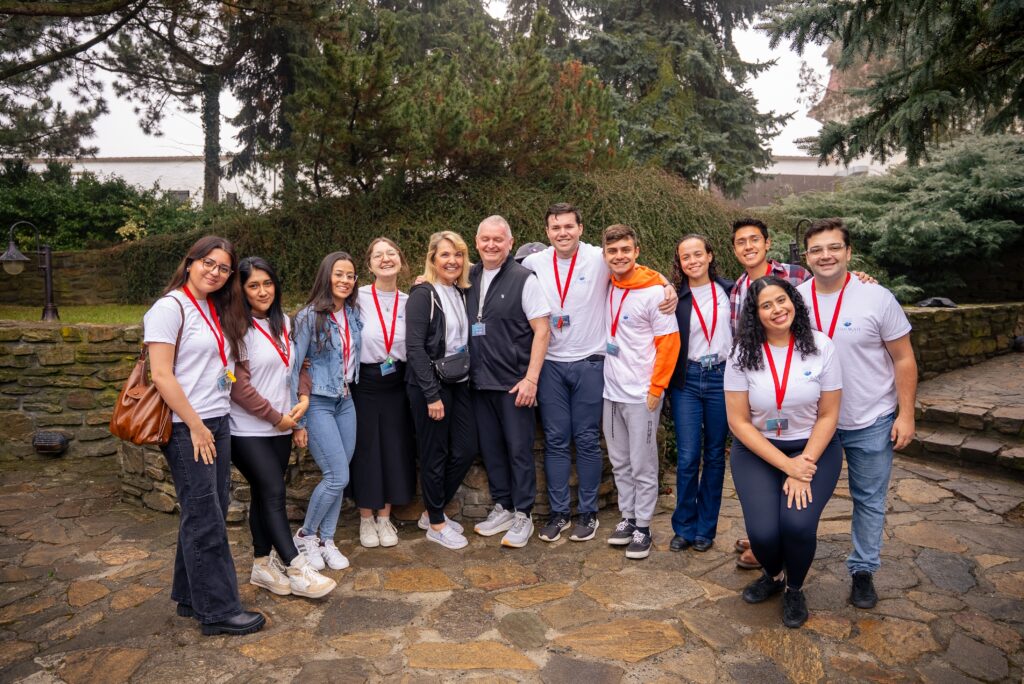
During a recent mentorship week at Cumorah Academy, mentors Sue and Brent Webb helped students discover a powerful truth: effective leaders don’t fit one mold.
Instead, they learn to adapt using the four leadership styles that help teams grow, perform, and succeed.

Why Leadership Is Not One-Size-Fits-All
One of the biggest myths about leadership is that only extroverted or naturally confident people can lead well. This belief prevents many capable individuals from stepping forward.
In reality, leadership is not about personality type. It’s about influence, awareness, and the ability to respond to different situations.
As Brent and Sue Webb explained:
“True leadership is the ability to adapt your style to meet the needs of your team.”
This idea sits at the heart of the four leadership styles. Each one serves a specific purpose depending on the context, the team’s needs, and the challenges involved.
Understanding these styles allows leaders to:
- Communicate more effectively
- Motivate diverse personalities
- Reduce conflict
- Improve team performance
- Build stronger relationships

Meet the Mentors Behind the Lesson
Sue and Brent Webb bring decades of real-world leadership experience.
Brent began his career in the air filtration industry before launching his own successful business. After selling it, he pursued a lifelong passion: motorsports. He founded an indoor go-kart racing facility that doubled as a corporate training and team-building center.
Together, Sue and Brent have been married for over 40 years and raised four children. They spent most of their lives in California before moving to Utah and later serving a humanitarian mission in the Philippines.
Their journey reflects a life dedicated to service, entrepreneurship, and mentoring others.
When they returned from their mission, they felt inspired to volunteer as short-term mentors at Cumorah Academy. It’s an experience that deeply impacted students.

Understanding the Four Leadership Styles
The mentors introduced students to the four leadership styles that help leaders guide teams in different circumstances. Each style plays a vital role.
Let’s explore them.
1. Directive Leadership
Directive leaders provide clear structure and guidance.
They define goals, explain expectations, and ensure everyone understands their roles. This style works especially well when:
- Teams are inexperienced
- Tasks are complex
- Deadlines are tight
- Decisions must be made quickly
Directive leadership does not mean being controlling. Instead, it creates clarity and reduces uncertainty.
When used correctly, it builds confidence in team members who need direction.
2. Supportive Leadership
Supportive leadership focuses on people first.
Leaders using this style prioritize emotional well-being, trust, and encouragement. They create an environment where individuals feel valued and safe to contribute.
This style is powerful when:
- Teams feel stressed or overwhelmed
- Morale is low
- Collaboration needs strengthening
- Creativity is required
Supportive leaders listen actively, show empathy, and celebrate progress.
It reminds us that leadership is not only about results — it’s also about relationships.

3. Participative Leadership
Participative leadership invites team members into decision-making.
Instead of making choices alone, leaders ask for input, encourage discussion, and value diverse perspectives.
This approach works best when:
- Teams are experienced
- Innovation is needed
- Complex problems require collaboration
- Engagement needs to increase
Participative leadership builds ownership. When people feel heard, they become more committed to outcomes.
It transforms leadership from authority into partnership.

4. Achievement-Oriented Leadership
Achievement-oriented leaders push teams toward high standards and ambitious goals.
They inspire confidence by setting clear expectations and believing in their team’s abilities.
This style is effective when:
- Teams are highly skilled
- Motivation needs a boost
- Performance must improve
- Growth and excellence are priorities
Achievement-oriented leaders challenge people while providing support and encouragement.
They help individuals reach levels they never thought possible.
Why Adaptability Is the Key to Great Leadership
The biggest lesson students learned is that no single style works all the time.
Effective leaders switch between the four leadership styles depending on the situation. They observe their team’s needs and adjust accordingly.
For example:
- A new team may need directive guidance first
- Later, supportive leadership builds trust
- Participative leadership encourages innovation
- Achievement-oriented leadership pushes growth
This flexibility separates good leaders from truly exceptional ones.
A Student Perspective: Leadership in Action
Flávia Bento, a student from Brazil, shared how this lesson impacted her:
“I really enjoyed this week’s lesson because it helped me understand my strengths and weaknesses as a leader and how I can improve in different situations.”
Her experience highlights an important truth: leadership is a skill that can be learned.
When students understand the four leadership styles, they gain tools that will benefit them throughout their careers, relationships, and personal growth.
Discover Your Leadership Style
At Cumorah Academy, leadership development goes beyond theory.
Students participate in:
- Hands-on mentorship experiences
- Real leadership challenges
- Team projects
- Personal coaching
- Service opportunities
Through these experiences, they learn how to apply the four leadership styles in real-life situations.
They discover not only how to lead others, but also how to lead themselves.
Your Leadership Journey Starts Here
Great leaders are not born with a single personality trait. They are shaped through learning, experience, and mentorship.
Understanding the four leadership styles is one of the most powerful steps you can take to become an effective leader.
If you want to:
- Develop confidence as a leader
- Learn from experienced mentors
- Discover your unique leadership strengths
- Prepare for meaningful impact
Cumorah Academy is the place to begin.
Written by Fernando L. Ferreira Jr.
Supervision by Kamila Uberto Fullmer