What makes a great leader?
Many people think leadership starts when you are given a title or a position. But real leadership begins much earlier. It begins with understanding yourself.
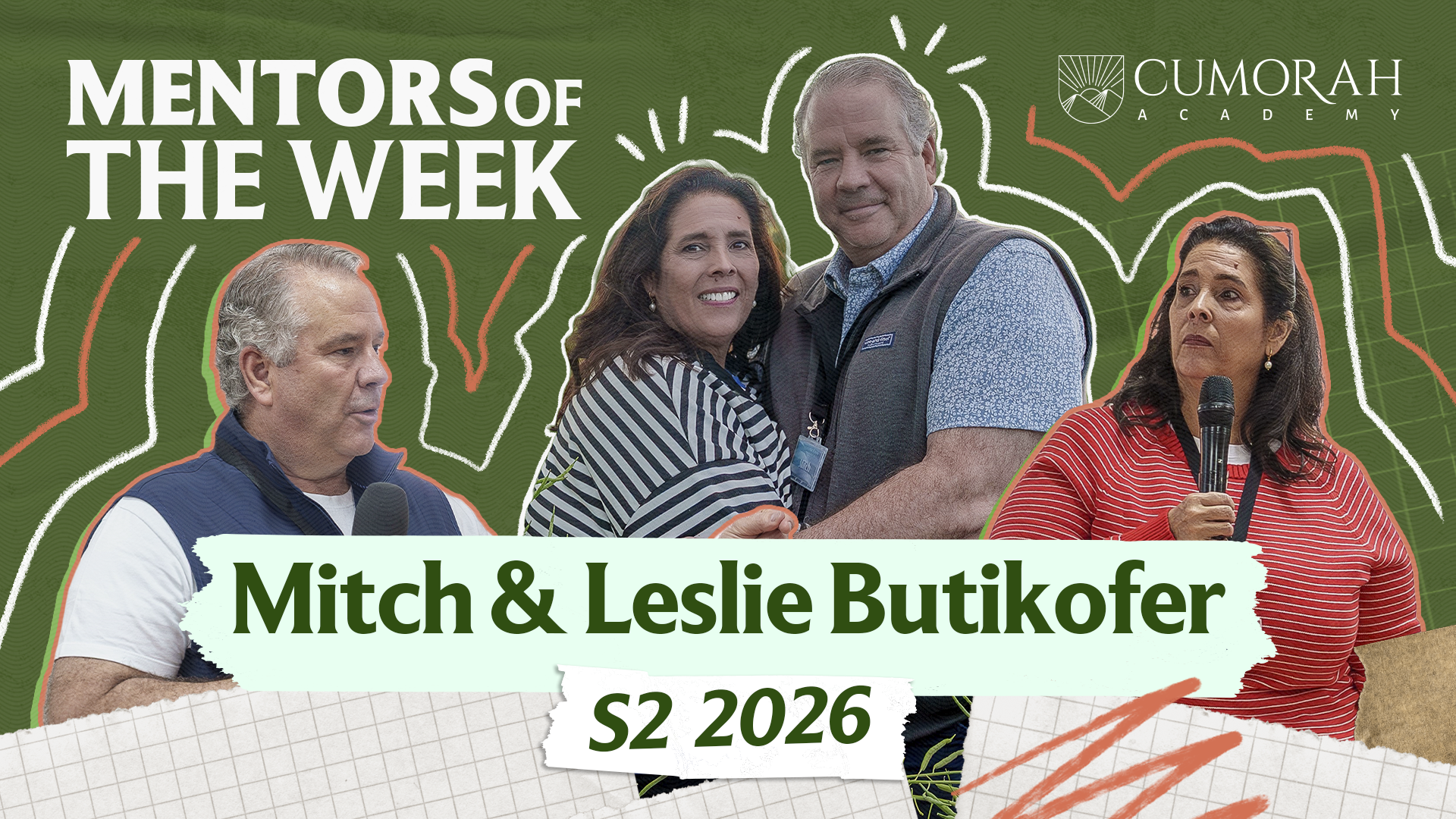
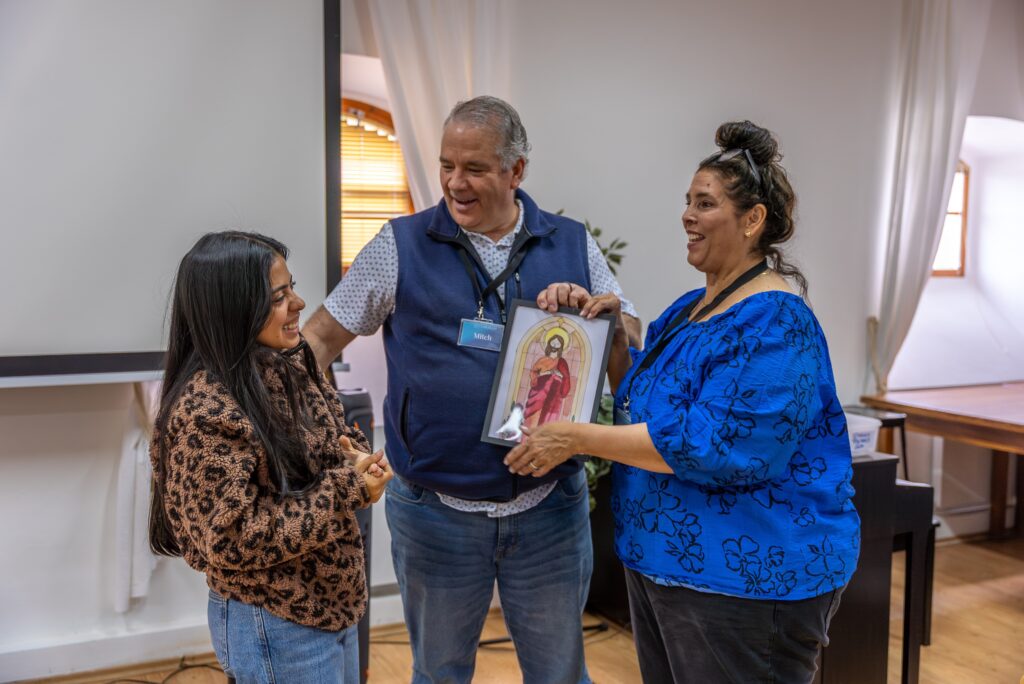
That was the central message of this week’s inspiring classes with Mike and Leslie Butikofer at Cumorah Academy. Through personal stories, practical exercises, and open discussions, they invited students to look inward before trying to influence the world around them.
The first person you need to lead is yourself.
Know Who You Are
Before making a strategic move, every leader needs to know where they want to go. Even more importantly, they need to understand who they are.
Mike and Leslie encouraged students to reflect on their values, strengths, and life experiences. These are the things that shape our decisions, our goals, and the way we connect with other people.
Self-awareness is not just a personal skill. It is a leadership skill.
When you understand what matters most to you, it becomes easier to make difficult decisions, stay true to your principles, and face challenges with confidence.
As Leslie Butikofer shared with the students:
“Self-awareness is the foundation of emotional intelligence. The better you understand yourself, the better you can lead others.”
Communicate Your Story
Leadership is also about communication.
You may have great ideas, strong values, or ambitious goals. But if you cannot communicate them clearly, it becomes difficult to inspire others to join you.
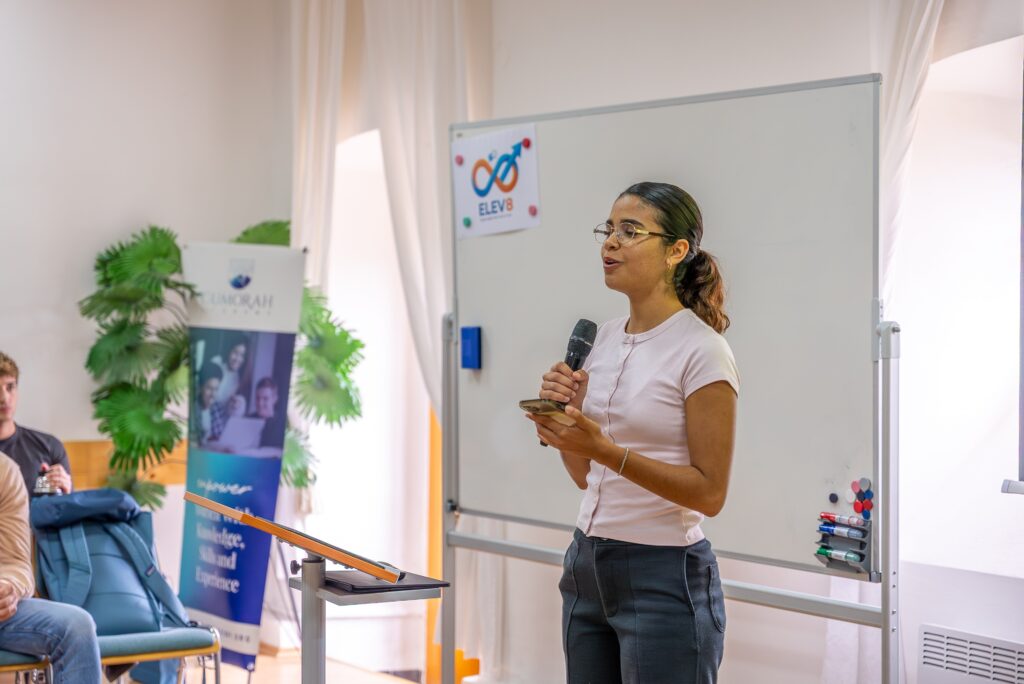
One of the lessons focused on developing an effective elevator speech. At first, it may sound like a simple exercise. But creating a short and authentic introduction to who you are requires a surprising amount of reflection.
Who are you?
What do you care about?
What kind of impact do you want to make?
Answering these questions helps you discover your identity as a leader. It also gives you the confidence to share your vision with the world.
People connect with authenticity. They trust leaders who know what they stand for.
Mike Butikofer reminded students of this important principle:
“The leaders people respect most are those who stay true to their values, even when it’s not the easiest path.”
In a world full of noise and comparison, authenticity stands out.
Leadership Means Taking Initiative
Many young adults wait for the “right moment” to start leading. They wait until they have more experience, more confidence, or someone else gives them permission.
But leadership does not work that way.
Leadership begins when you choose to act.
Mike challenged students to stop waiting and start moving forward:
“Don’t wait for someone else to make the first move. Leadership begins when you take initiative.”
Taking initiative does not always mean leading a large team or launching a big project. Sometimes it means speaking up with an idea. Sometimes it means helping a classmate, solving a problem, or choosing to serve when nobody asks you to.
Small actions build confidence. Confidence builds experience. And experience helps create leaders who can make a lasting difference.
The Courage to Move Forward
Growth rarely happens inside our comfort zone.
Every important decision comes with uncertainty. Whether it is choosing a career path, starting a business, moving to another country, or accepting a new responsibility, fear often tries to keep us from taking the next step.
Leslie Butikofer encouraged students to see courage not as the absence of fear, but as the willingness to move forward despite it.
“Having the courage to make decisions and move forward is often what creates growth and fulfillment.”
The students were reminded that mistakes are part of the process. Every leader faces setbacks. What matters is having the courage to learn, adapt, and continue.
Lessons That Leave a Lasting Impact
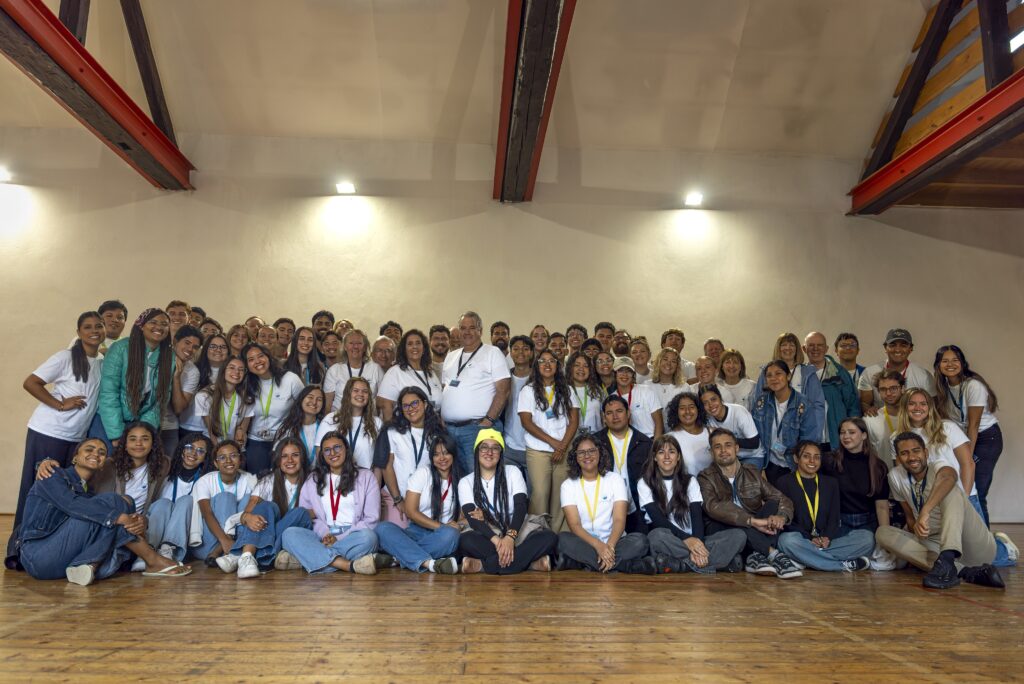
The influence of Mike and Leslie’s classes was felt throughout the campus. Students left the sessions with a clearer understanding of themselves and a renewed desire to become better leaders.
Andrea Márquez from Venezuela shared:
“I think they are incredibly nice! I love the way they convey the ideas and the concepts, and how clearly they communicate.”
Hayrum Palomino from Peru also reflected on the experience:
“This week’s mentors have a lot of wisdom. Their classes inspired me to be a better leader, and I am super grateful for that.”
Their words reflect what happens when mentorship goes beyond theory. Leadership becomes personal. It becomes practical. And it becomes something that students can apply in their own lives.
Leadership Starts Here
At Cumorah Academy, leadership is not just another class. It is part of everyday life.
Students are invited to discover their strengths, develop practical skills, build meaningful relationships, and learn from experienced mentors from around the world. They are challenged to grow spiritually, intellectually, and personally while preparing to make a difference in their communities.