What are your strengths as a leader?
Many people hear this question and struggle to answer it. You may know that you want to become a better leader, but identifying your leadership strengths can feel much harder.
Understanding what you do well is an important part of personal growth. When you recognize your leadership strengths, you can build on them, identify areas for improvement, and become more intentional about the way you lead others.
Why Do Your Leadership Strengths Matter?
We live in a unique era. Artificial Intelligence continues to change the workplace and influence how society approaches work, creativity, and decision-making.
Yet technology does not replace every quality that makes someone an effective leader.
Generative AI cannot set aspirations, make difficult decisions, build trust among stakeholders, hold team members accountable, or generate truly new ideas.
This makes human leadership more important, not less.
Your leadership strengths can help you bring qualities to a team that technology cannot provide. These strengths may include communication, creativity, resilience, empathy, organization, decision-making, or the ability to inspire others.
Understand Your Leadership Style
Another way to understand your leadership strengths is to explore different leadership styles.
Leadership does not look the same in every person. Some leaders take charge quickly, while others focus on listening, coaching, or serving their teams.
Lian Parsons from Harvard Division of Continuing Education explores several leadership styles, including:
- Autocratic
- Bureaucratic
- Coaching
- Democratic
- Laissez faire
- Pacesetter
- Servant
- Visionary
Each approach has potential benefits and weaknesses.
However, leadership involves more than choosing a style.
At Cumorah Academy, we believe strong leadership begins with character.
Leadership Begins With Character
Your leadership strengths matter, but your character matters too.
Dignity. Respect. Charity. Service. Love. Integrity.
These qualities influence how you treat people, especially when leadership becomes difficult.
Cumorah Academy encourages students to study leaders who have achieved meaningful things. At the same time, students learn to look to Jesus Christ as an example and role model.
His teachings provide principles that can guide leadership, regardless of a person’s background or faith. Serving others, showing love, acting with integrity, and treating people with respect can shape the kind of leader you become.
Leadership is not reserved for extroverts.
You do not need to be the loudest person in the room to lead. You can lead through listening, consistency, courage, service, creativity, and a willingness to improve.

How Can You Discover Your Strengths?
Discovering your leadership strengths starts with honest reflection.
Think about moments when you helped a group succeed. When have people trusted you with responsibility? What do others usually ask you to help with? Which activities make you feel confident and motivated?
You can also ask someone you trust for honest feedback.
Ask them what they believe you do well. Then ask what you could improve.
This process requires humility. Great leaders recognize that they do not have everything figured out. They remain open to feedback and take responsibility for their mistakes.
You cannot grow as a leader without recognizing where you need to improve.
Your leadership strengths can give you a starting point, but your weaknesses can also reveal where your next opportunities for growth are.
Develop Your Leadership Through Experience
You can read about leadership for years, but experience gives you opportunities to put those ideas into practice.
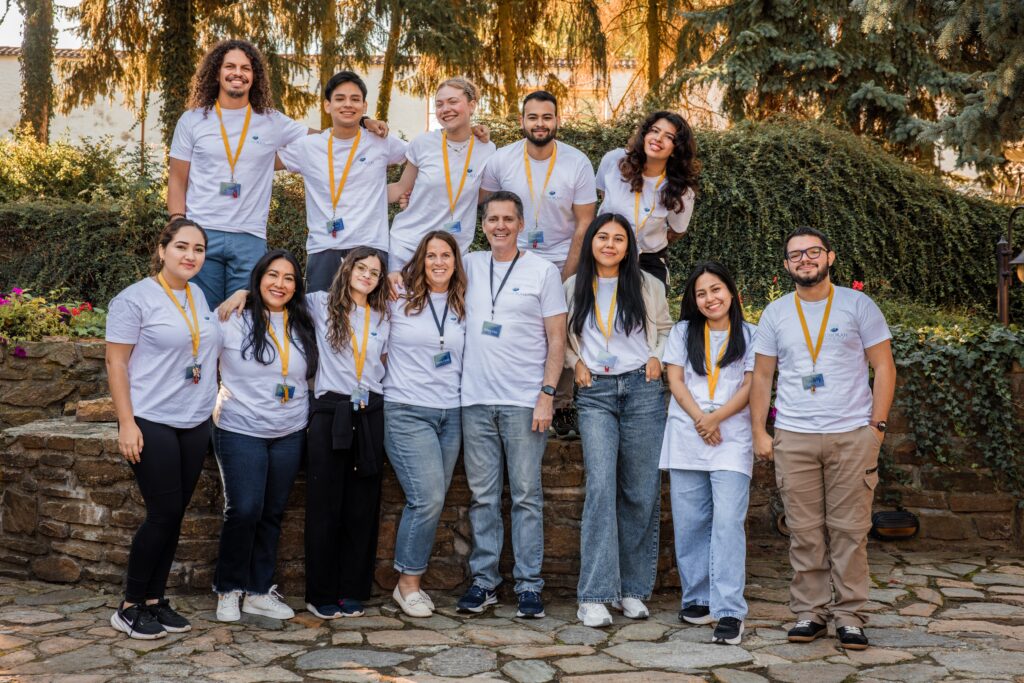
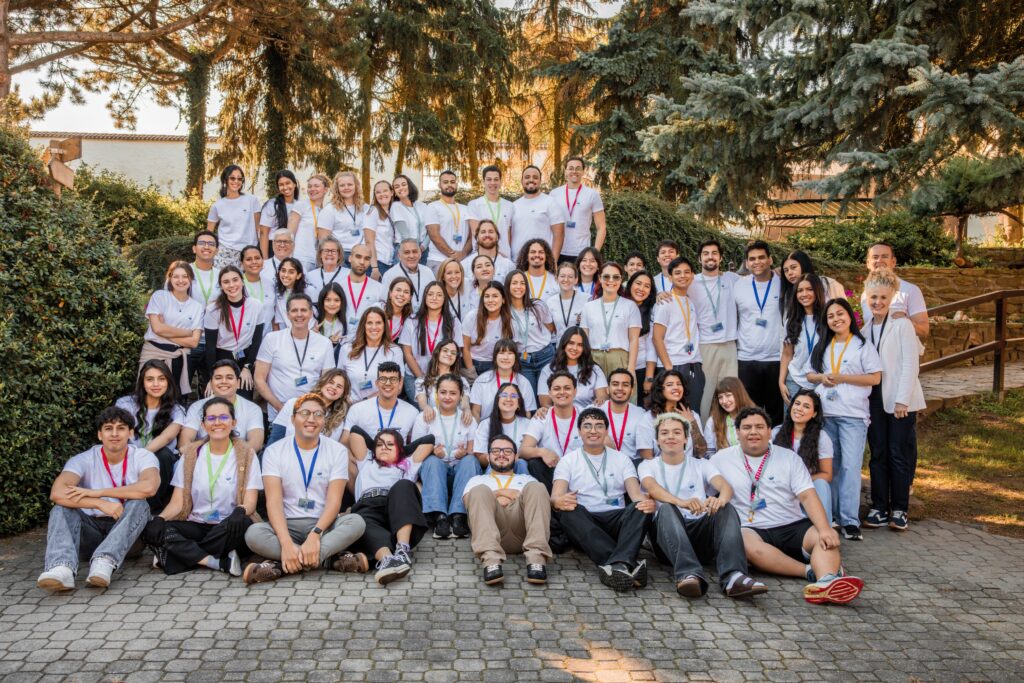
At Cumorah Academy, students participate in real-world activities, service projects, leadership experiences, and opportunities to work with people from different countries and backgrounds.
These experiences can help you discover your leadership strengths in situations that require communication, teamwork, responsibility, and initiative.
You may discover a strength you never recognized before.
You may also find an area where you need to grow.
Both experiences matter.
Leadership development is not about becoming perfect. It is about becoming more aware, more responsible, and more willing to use your abilities to help others.
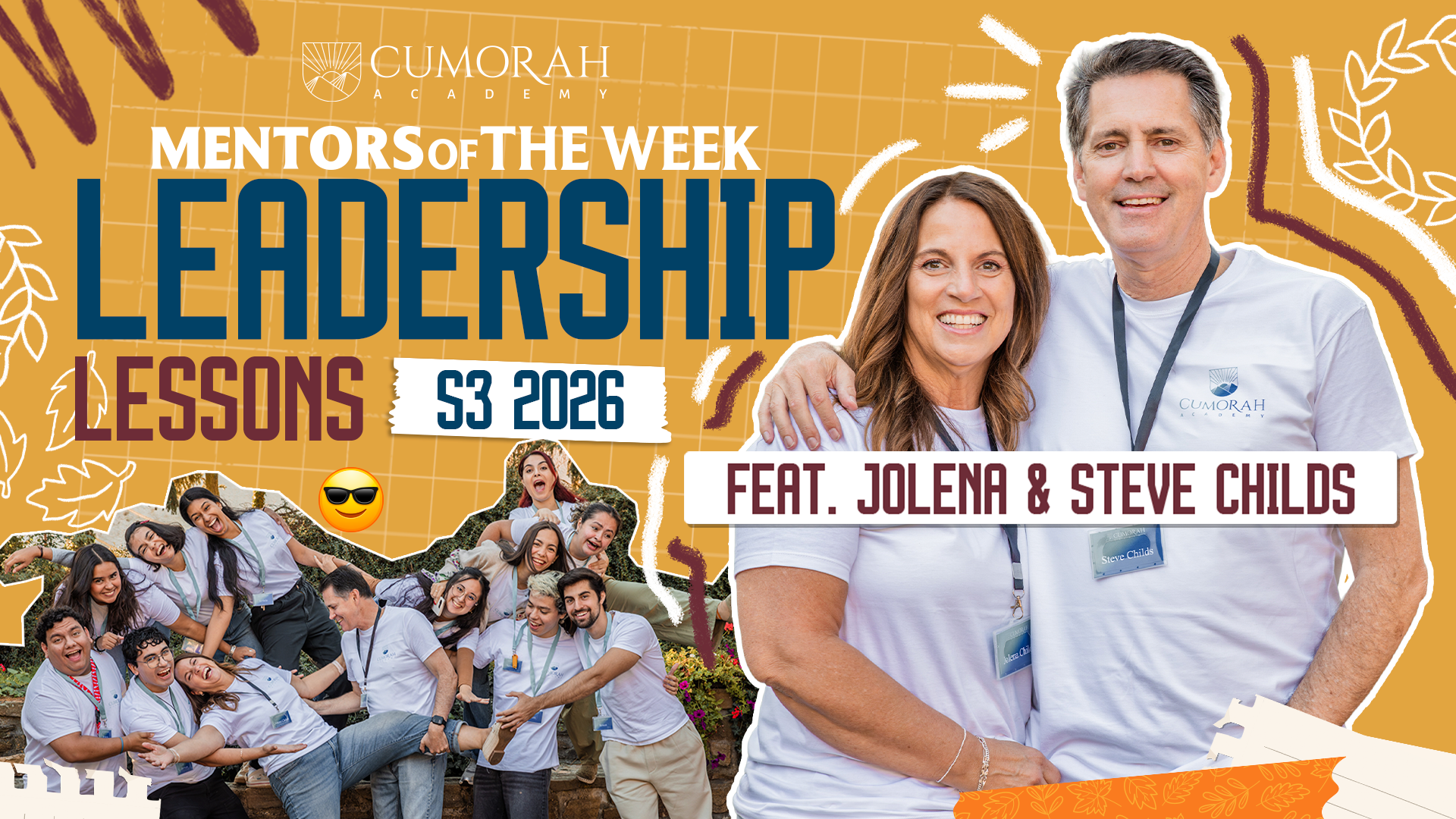
Meet Our Mentors: Steve and Jolena Childs
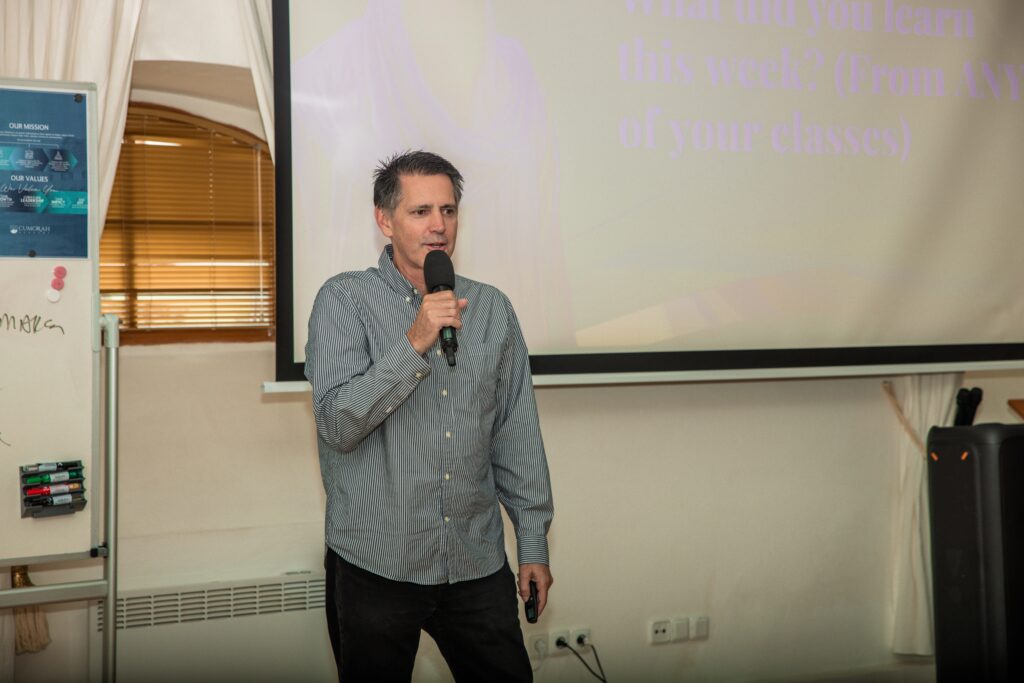
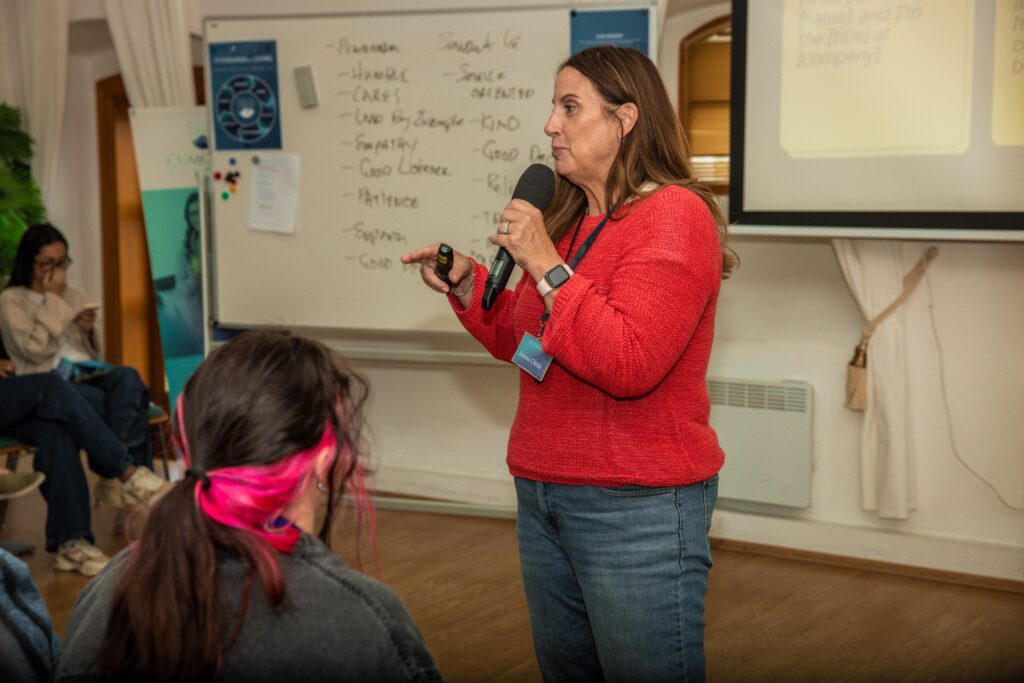
Steve and Jolena Childs served as visiting mentors at Cumorah Academy and taught students about applying leadership principles in everyday life.
Married for 38 years and parents of five children, Steve and Jolena have built two businesses together. One is a paper recycling company in Southern California that serves businesses and hospitals. The other is a software company that helps businesses manage their inventory. They are from Midway, Utah.
Their experience gave students an opportunity to learn from people who have developed businesses, families, and careers over many years.
Jolena explained what she hoped students would remember from their class: “We can apply the Savior’s examples in all we do.”
Steve also wanted students to recognize their potential. He said, “We want them to feel they can compete in this world.”
Their message reflects an important part of the Cumorah experience. Mentors can help students recognize leadership strengths that they may not see in themselves.
Eduardo, a student from Costa Rica, appreciated having mentors who genuinely cared about his future.
“Knowing that people who care about my future and who really care about me is what I love the most about talking to them,” he said.
Are You Ready to Discover Your Potential?
You do not have to wait until you have all the answers before you start leading.
You can discover your leadership strengths through experience, feedback, service, responsibility, and personal growth.
At Cumorah Academy, you can spend meaningful time developing yourself, learning from others, serving your community, and connecting with young adults from around the world.
If you are ready to discover what you can become, come to Cumorah Academy and start developing the leader you were meant to be.