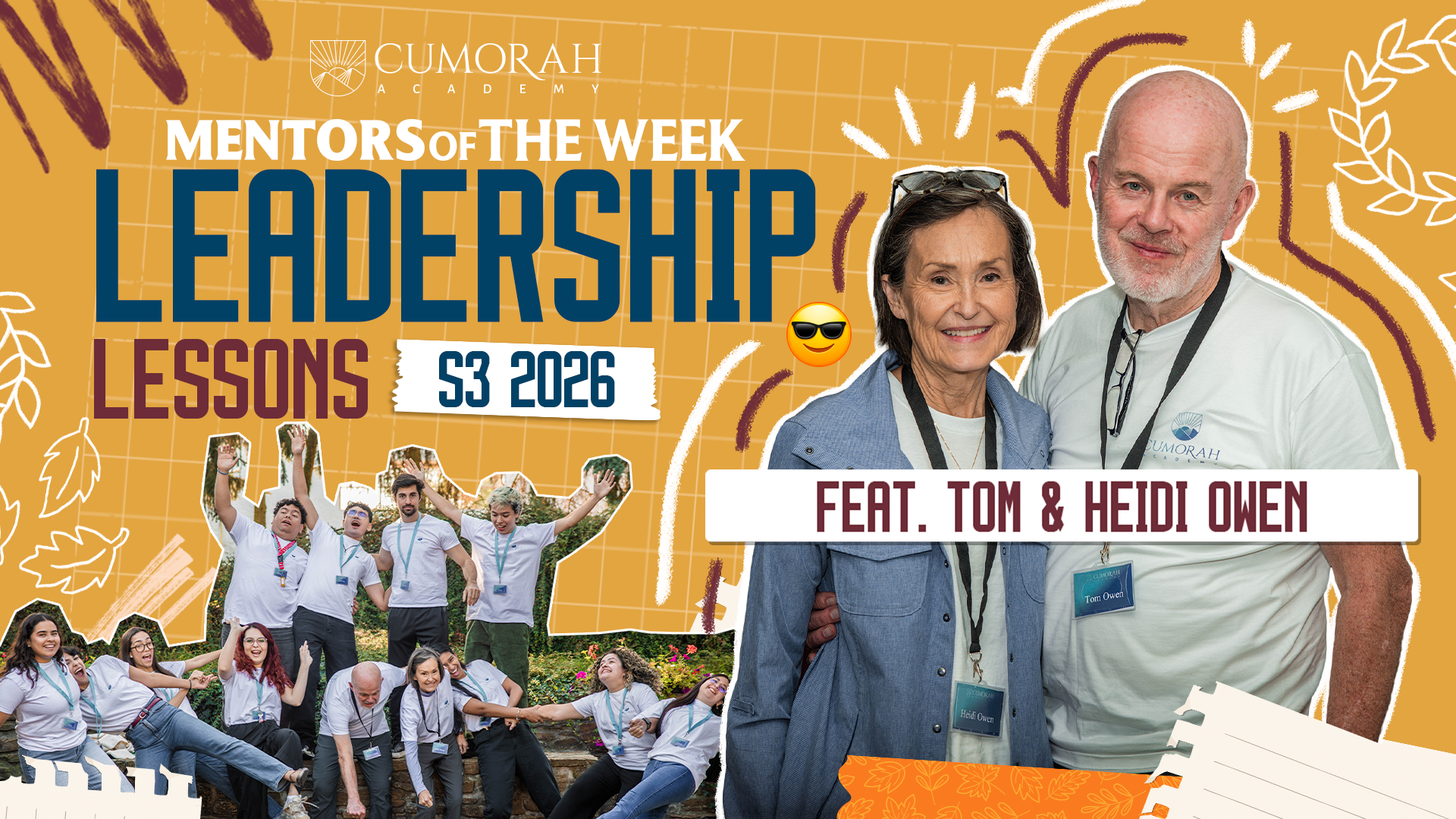
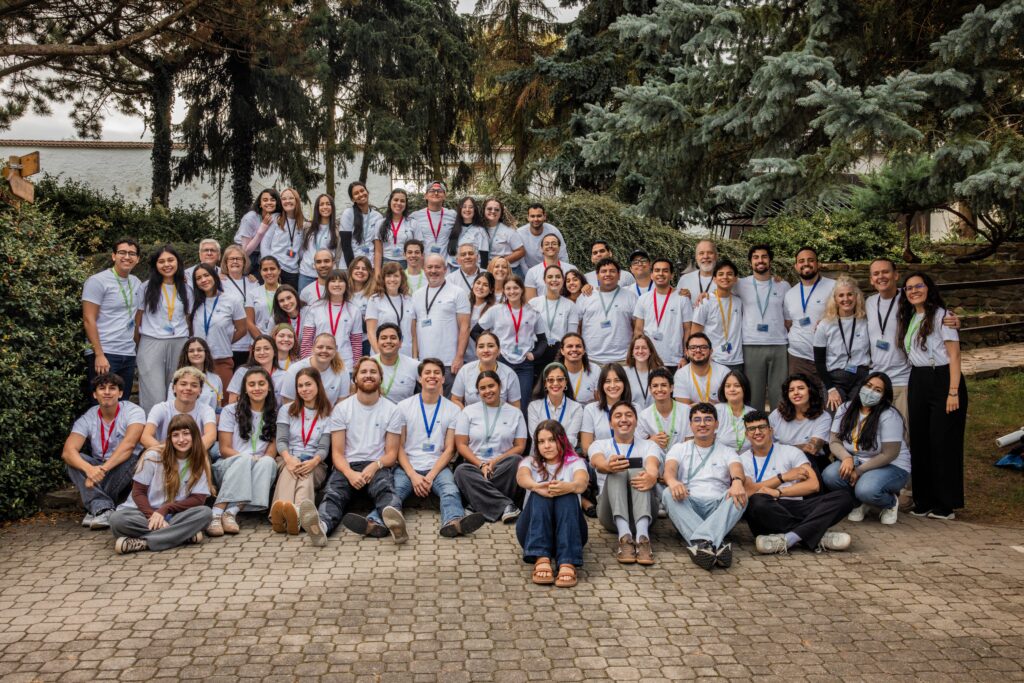
Leadership is about more than giving instructions or achieving goals. It also means understanding people, managing emotions, and knowing how to respond to different situations. At Cumorah Academy, students explored these ideas through lessons on leadership styles, emotional intelligence, stress, and personal growth.
Great leaders understand themselves, recognize what others need, and choose their actions with purpose. These skills can help young adults build stronger relationships and become more confident in everyday life.
Understanding the Four Leadership Styles
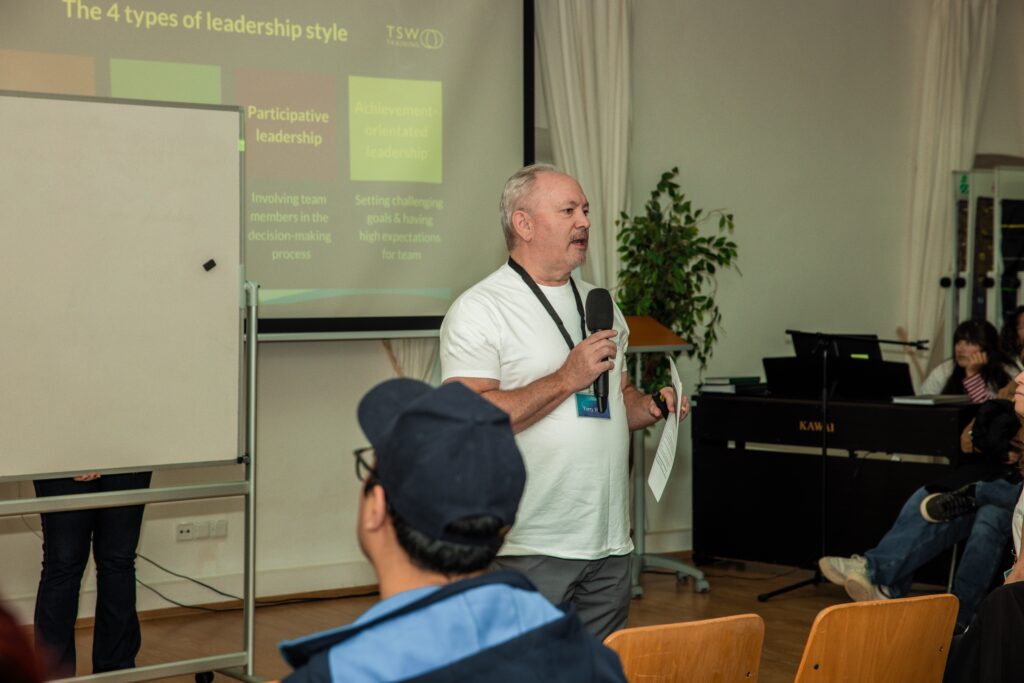
During this week’s leadership sessions, students learned about four leadership styles: directive, supportive, participative, and achievement-oriented. Each style serves a different purpose. The challenge is knowing when to use each one.
According to leadership author Matt Tenney, these styles offer different ways to guide and support a team. You can read his full explanation in this article about the four behavioral leadership styles.
1. Directive Leadership
Directive leaders provide clear instructions and explain what needs to happen, how to do it, and when to complete the task.
This style can help when a team needs structure, clear expectations, or quick decisions. For example, a student organizing a service project might assign responsibilities and explain each step to keep everyone on track.
2. Supportive Leadership
Supportive leaders care about people’s experiences and well-being. They remain approachable, listen to concerns, and encourage open communication.
This approach helps build trust and creates an environment where people feel comfortable asking questions. A supportive leader understands that people need encouragement as well as guidance.
3. Participative Leadership
Participative leaders involve their teams in decision-making. They ask for ideas, listen to feedback, and encourage people to take responsibility.
Young leaders can use this style during group projects by inviting everyone to share suggestions before choosing a plan. When people feel heard, they have more opportunities to contribute and grow.
4. Achievement-Oriented Leadership
Achievement-oriented leaders set challenging goals and encourage continuous improvement. They help people reach their potential while providing the tools and support they need.
For example, a student preparing for a public speaking competition might set weekly practice goals and track progress. This approach encourages discipline, confidence, and personal responsibility.
Effective leadership means choosing the right approach for the situation rather than relying on a single style all the time.
As student Vitor from Brazil explained, “We need to read the room to understand what the better leadership option is to use.”
Reading the room means paying attention to people’s needs, the situation, and the results you want to achieve. This ability also strengthens strategic thinking by helping you decide what to do next.
Emotional Intelligence and Emotional Well-Being
Leadership also requires an understanding of emotions. During the sessions, student Eliane Farias from Brazil shared an important lesson about emotional intelligence: allowing yourself to have bad days.
This lesson matters because personal growth does not mean feeling positive all the time. Everyone experiences difficult moments, and acknowledging those feelings can help us respond with greater awareness.
Emotional intelligence begins when we recognize our emotions rather than ignore them or let them control our actions.
Emotional well-being also involves paying attention to our thought patterns. Sometimes, we interpret situations negatively without considering other possible explanations.
Harvard’s resources on identifying negative automatic thought patterns explain how people can become stuck in familiar interpretations of distressing situations.
How to Identify Negative Thought Patterns
Start by noticing the thoughts that appear when something goes wrong. Do you immediately assume you have failed? Do you believe one difficult experience will always lead to the same result?
One example is overgeneralization. This happens when we use one experience to make broad conclusions about other situations or people.
Imagine you’re giving a presentation and forget part of your speech. You might conclude that you are terrible at public speaking. However, one difficult presentation does not define your abilities.
Instead, examine the evidence, consider what you can learn, and identify one step you can take to improve.
The Global Wellness Institute also highlights how contributing to a larger cause can help people experience greater resilience and fulfillment.
Helping others can give difficult days a sense of purpose. However, it is equally important to recognize when you need rest, support, or time to process your emotions.
Meet Our Visiting Mentors: Terry and Vickie Huch
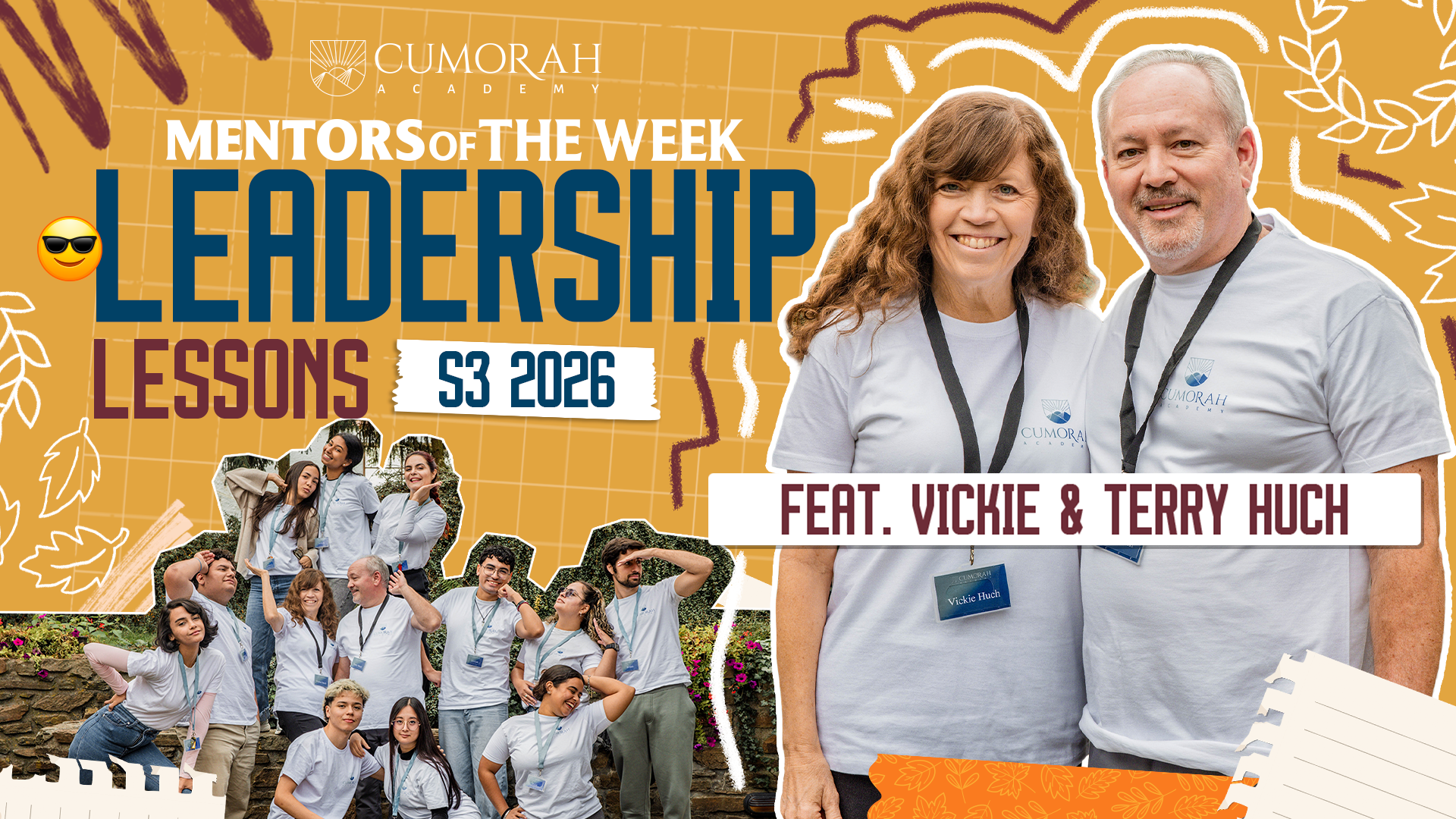
These lessons came from our visiting mentors, Terry and Vickie Huch, who shared their experiences and insights with Cumorah Academy students.
Vickie graduated in nursing and has worked in different settings throughout her career. Terry has held corporate leadership roles in finance and supply chain across the automotive and fertilizer industries.
Together, they have been married for 37 years and have three sons and seven grandchildren, with another grandchild on the way.
Their sessions reminded students that leadership involves both professional skills and personal growth. By understanding people, managing challenges, and acting with courage, young adults can become leaders who help others thrive.
Understanding Stress and Overcoming Fear
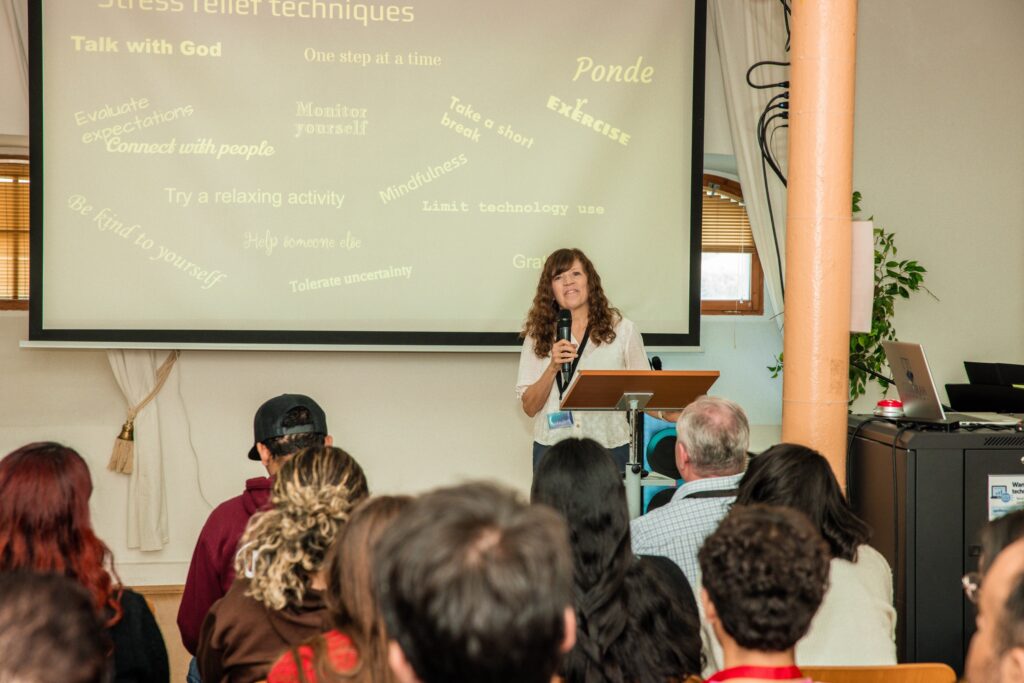
Another lesson focused on stress. Terry explained that stress is not always harmful. The body releases cortisol, a hormone involved in the stress response that helps regulate energy and alertness.
The challenge is managing stress when it becomes excessive or continues for too long. Learning to recognize your limits, take breaks, and seek support can help you respond more effectively to demanding situations.
Students also discussed a simple approach to fear: Do it anyway!
Fear often appears when we are about to do something important. You might prepare for a presentation, plan a new project, or set an ambitious goal. Then, when it is time to act, uncertainty can make you hesitate.
Vickie offered an encouraging perspective: “Being afraid only means your brain is functioning perfectly!”
Feeling afraid does not automatically mean you should stop. Instead, consider what you can learn, prepare for the challenge, and take one manageable step forward.
You do not need to eliminate every fear before pursuing your goals. Sometimes, confidence develops through action.
Everyday Interactions Are Opportunities to Lead
Leadership is not limited to managers, business owners, or people with official titles. Every interaction gives us an opportunity to help someone learn, feel supported, or achieve more.
Terry shared this hope for the students:
“What I hope our students took away from the leadership sessions is that we’re all leaders, and that our everyday interactions with people give us a chance to help people achieve more.”
This idea connects all the lessons from the week. Choosing the right leadership style requires awareness. Supporting others requires empathy. Managing negative thoughts requires reflection. Facing fear requires action.
You can practice leadership today by listening carefully, inviting someone’s opinion, setting a meaningful goal, or offering encouragement to a friend.
You do not have to wait for a leadership position to make a difference. Start with the choices you make and how you treat the people around you.
Start Your Leadership Journey Today
Leadership starts with the choices you make every day. By understanding your emotions, facing your fears, and learning how to support others, you can become a more confident and purposeful leader. Are you ready to discover your potential? Join Cumorah Academy and develop the skills you need to grow, lead, and make a difference in the world.