Leadership often sounds like a big word.
Many people connect it with titles, authority, or public speaking. Yet real leadership begins somewhere much simpler.
It begins with emotions.
Every day, we react to stress, disagreement, and change. Some reactions build trust. Others break the connection. The difference often comes down to one skill: emotional intelligence in leadership.
Young adults today face constant pressure.
They make decisions about careers, relationships, and identity earlier than ever. Technical skills help, but they are not enough. People need emotional skills to lead themselves and others well.
This is why emotional intelligence has become one of the most important leadership abilities today.
Why Emotional Awareness Shapes Great Leaders
Emotional intelligence means understanding your own emotions and managing them well. It also means recognizing others’ emotions and responding wisely. Researcher Lauren Laudry describes it as the ability to understand and manage feelings while influencing the emotional environment around you.
In simple terms, emotional intelligence helps you respond instead of react.
Leaders with strong emotional awareness stay calm during pressure. They listen before speaking. They build trust through respect.
These habits form the foundation of emotional intelligence in leadership.
Without emotional awareness, leadership becomes control. With it, leadership becomes influence.
Young adults often think leadership starts later in life. The truth looks different. Leadership begins the moment you learn how your emotions affect others.
Leading by Example Instead of Authority
Many people try to lead through position or power. Yet history shows that people follow character more than titles.
Great leaders model behavior first. They show patience. They admit mistakes. They treat others with dignity.
This approach reflects emotional intelligence in leadership because actions communicate louder than instructions.
When leaders regulate their emotions, teams feel safe. When leaders listen carefully, people feel valued. Emotional control creates emotional safety.
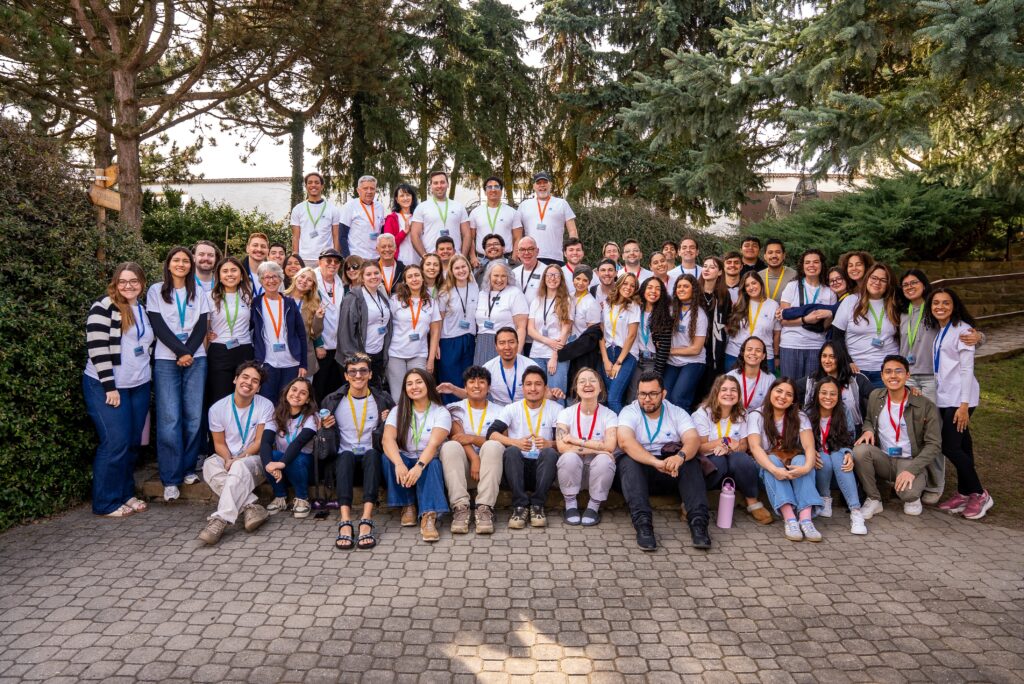
These ideas became real for students during a special mentorship week at Cumorah Academy.
That week introduced mentors who demonstrated these principles through daily interaction.
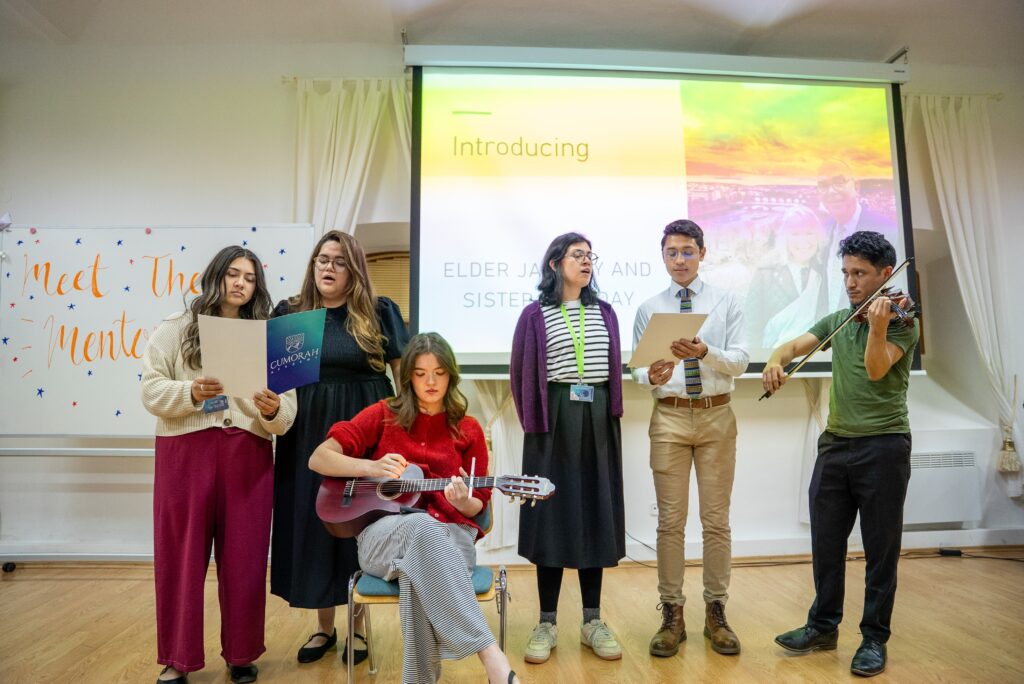
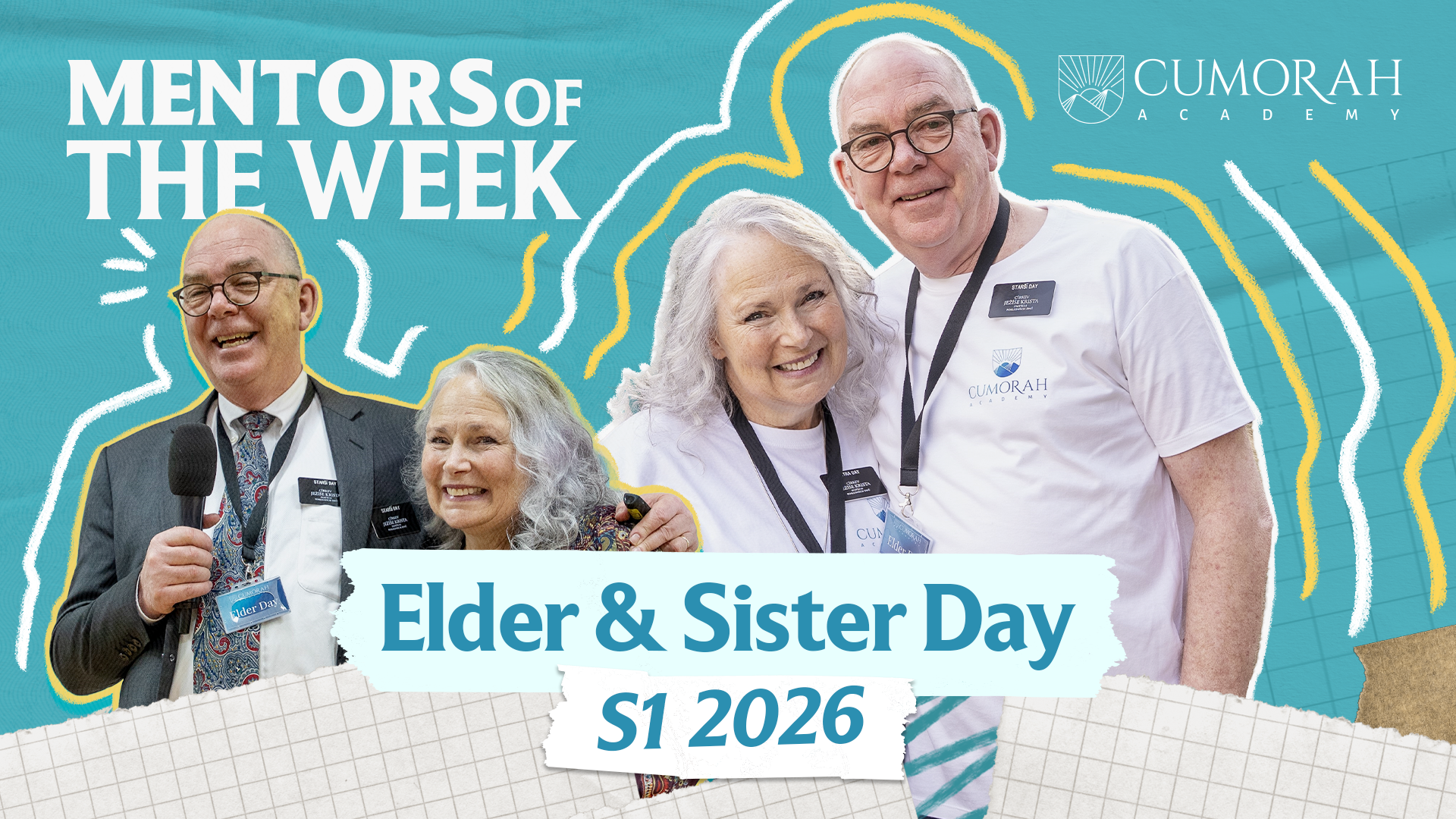
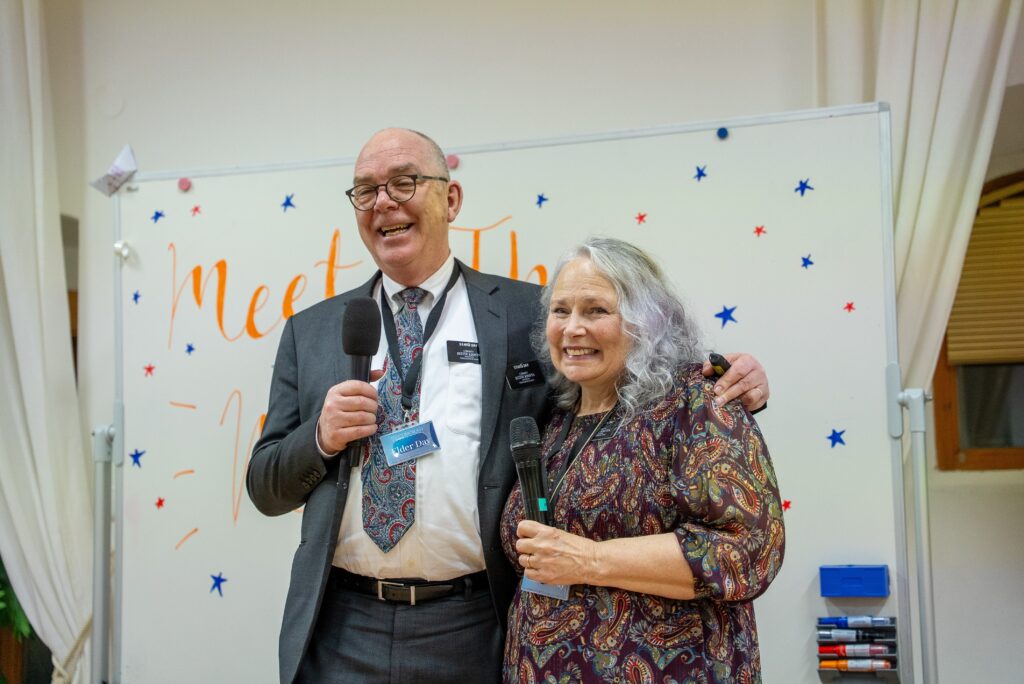
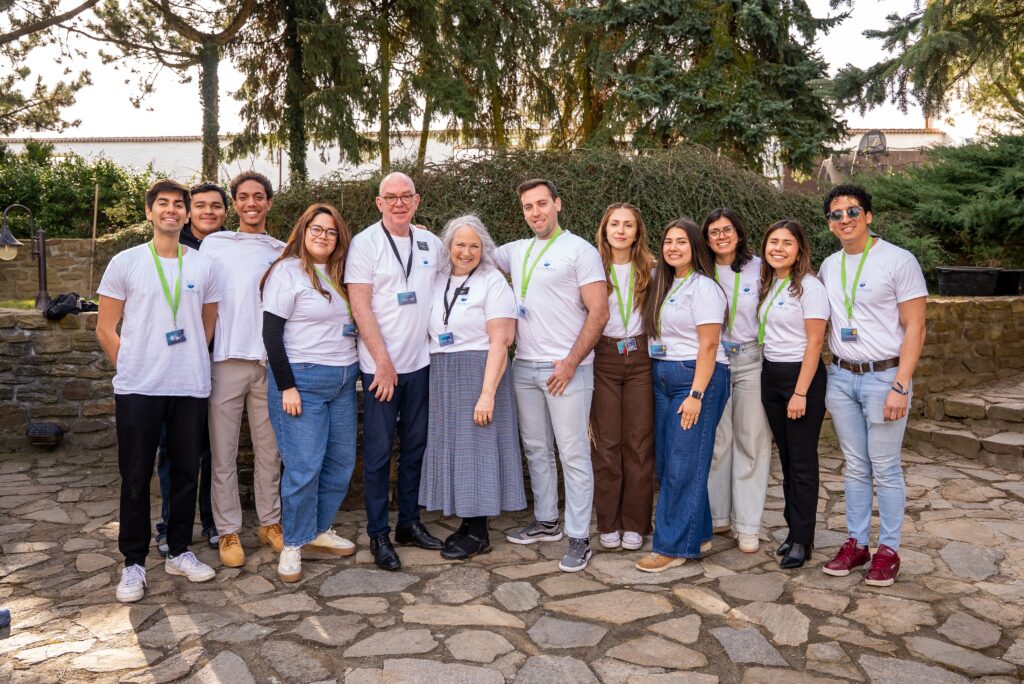
Meeting the Visiting Mentors: Elder and Sister Day
Before arriving at Cumorah Academy, Elder and Sister Day built their lives around family, service, and learning.
They first met at Brigham Young University while studying Family Financial Planning and Counseling. Their shared values shaped both their education and their future together.
Sister Day grew up in Northern California. Elder Day grew up in a small town in central Utah. His family heritage traces back to England, Germany, and Italy.
They raised four children — three sons and one daughter.
In their own words, “Our family has been our main focus.”
When they received their missionary call, they learned about Cumorah Academy and accepted the opportunity to mentor young adults from around the world.
Students quickly noticed something unique about them.
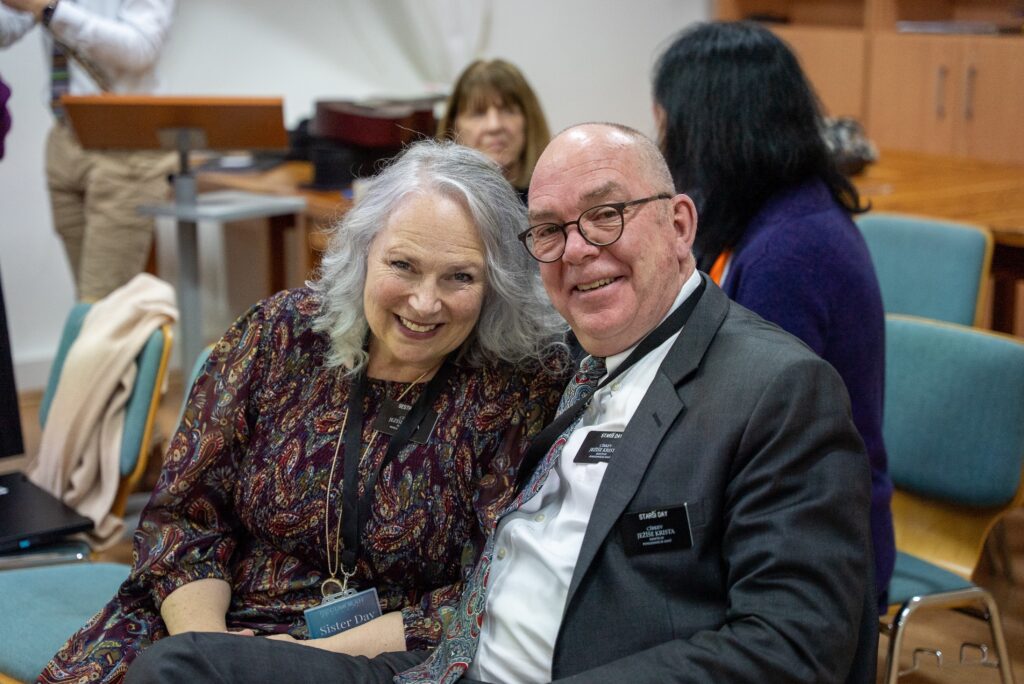
When Leaders Truly Listen
“Elder and Sister Day have this way of making you feel like you genuinely matter,” says Ronaldo Schmidt, a student from Brazil. “Talking with them, I never felt like just another person in the room. They actually listened.”
Listening may sound simple, but it requires emotional discipline. Many people listen only to respond. Emotionally intelligent leaders listen to understand.
This behavior showed students what emotional intelligence in leadership looks like in real life.
A mentor who listens creates space for growth. Students feel safe sharing doubts and goals. Honest conversations become possible.
And honest conversations change lives.
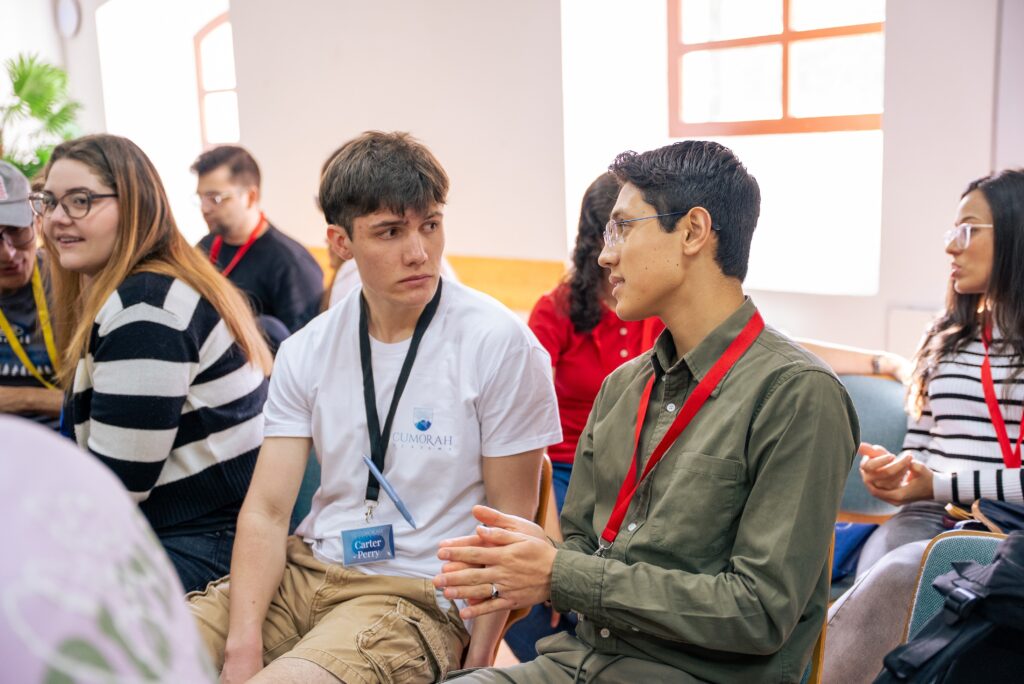
A Lesson That Connected with Students
During the mentorship week, Elder and Sister Day taught about emotional intelligence and personal leadership.
Their message resonated deeply.
Alana Macedo, another student from Brazil, shared her experience: “They were so kind and caring with us, and we felt such a sweet spirit with them. It was amazing to learn this week about emotional intelligence and how important it is.”
Students did not just learn theory. They experienced leadership through kindness, patience, and genuine interest.
That experience strengthened their understanding of emotional intelligence in leadership far more than lectures alone could.
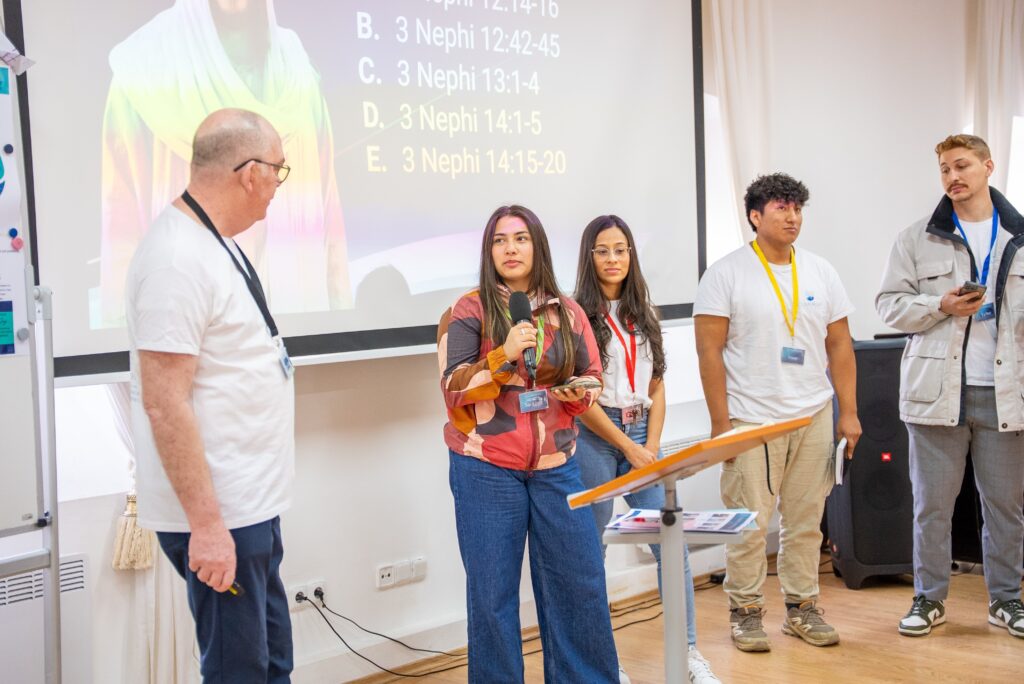
Leadership Taught Through Example
One piece of counsel from the mentors stayed with many students:
“A good leader learns to lead by example, just as the Savior taught through His actions.”
This principle connects deeply with emotional intelligence. Leaders influence behavior through consistency. People trust actions they can see.
When leaders act with empathy, others feel encouraged to do the same. When leaders stay calm, groups remain steady during challenges.
This daily example demonstrates emotional intelligence in leadership better than any textbook definition.
Students began to see leadership not as a future role but as a present responsibility.
Emotional Skills That Shape the Future
The modern world values adaptability more than ever. Careers change. Technology evolves. Global collaboration grows.
In this environment, emotional skills matter as much as technical knowledge.
Employers seek people who communicate clearly, resolve conflicts, and work well with diverse teams. All these abilities grow from emotional intelligence in leadership.
Students realized that emotional growth prepares them not only for careers but also for relationships and personal purpose.
Leadership becomes less about control and more about connection.
Leadership Begins with Small Choices
The greatest lesson from Elder and Sister Day did not come from a single talk. It came from small moments.
A thoughtful question.
A patient conversation.
Even a sincere smile.
These actions showed that leadership starts in everyday choices.
Anyone can practice emotional intelligence. Anyone can become a leader by choosing empathy, awareness, and kindness.
That is the lasting impact of emotional intelligence in leadership.
Your Next Step
You do not need to wait years to become the person you want to be.
Leadership begins now. It begins with how you treat people today.
If you want mentorship, meaningful friendships, and experiences that help you grow emotionally and spiritually, Cumorah Academy offers a place to start.
Step into an environment where mentors care, learning feels personal, and growth becomes real.
Apply to Cumorah Academy and discover how your leadership journey can begin today. The world needs leaders who understand people — and that leader can be you.
Written by Fernando L. Ferreira Jr.
Supervision by Kamila Uberto Fullmer