Communication shapes our relationships, decisions, and leadership. We communicate through words, gestures, emotions, body language, and even silence. Every conversation gives us an opportunity to share ideas and understand others.
However, speaking often does not automatically make us good communicators. How can we make our messages clearer? How can we ensure others understand what we mean?
During a recent masterclass at Cumorah Academy, students explored effective communication through three important topics: communication bias, upward communication, and structuring instructions. These lessons showed students practical ways to become more thoughtful communicators and respectful leaders.
1. Recognize Your Communication Biases
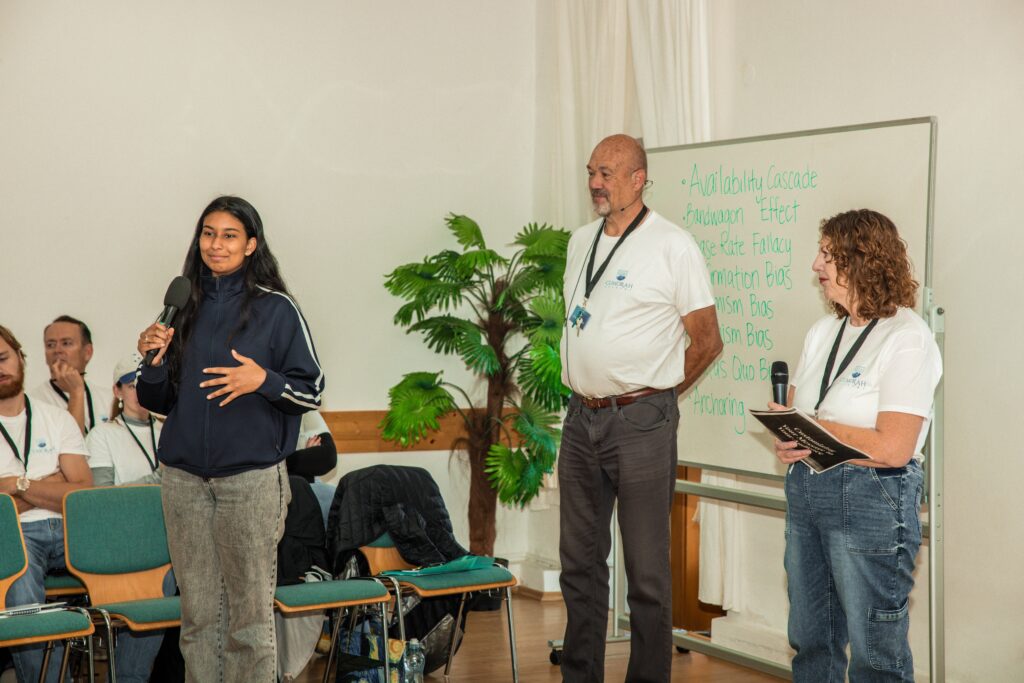
Our experiences and assumptions influence how we understand information. Sometimes, these influences create communication biases that affect our decisions and relationships without us realizing it.
Two examples are positive bias and negative bias.
Positive bias occurs when we focus mainly on the good aspects of a situation. Optimism can help us stay motivated, but excessive positivity can prevent us from recognizing problems or accepting constructive criticism.
Negative bias leads us to focus more on unfavorable experiences, information, or outcomes. This tendency can make challenges seem greater and prevent us from recognizing opportunities.
Both biases can affect how we listen, respond to feedback, and interpret other people’s intentions.
For example, a leader with an excessive positive bias might overlook a team’s mistakes to maintain a positive atmosphere. Meanwhile, a leader with strong negative bias might focus so much on those mistakes that they fail to recognize the team’s progress.
How can we improve?
Start by identifying your weaknesses and questioning your assumptions. When someone shares a different perspective, listen before forming a response. Ask yourself whether you are evaluating the situation fairly or allowing your expectations to influence your judgment.
Self-awareness helps you communicate with greater clarity, humility, and understanding. It also creates opportunities to learn from criticism and strengthen your leadership skills.

2. Practice Upward Communication
Communication does not only happen between leaders and their teams. It also flows upward, allowing team members to share ideas, ask questions, and communicate concerns to their managers.
This process is known as upward communication. It helps leaders understand their teams and gives individuals an opportunity to contribute to important decisions.
During the masterclass, students discussed their experiences with effective and ineffective communication with leaders. They explored common challenges and considered how their own communication habits could improve these interactions.
Learning to communicate with a supervisor can feel challenging, especially when you disagree with a decision or need to raise a concern. However, respectful and clear conversations can help build trust and prevent misunderstandings.
Here are three ways to strengthen your upward communication skills:
- Prepare your message. Identify the main point you want to communicate and organize your thoughts before starting the conversation.
- Share your perspective respectfully. Explain your concerns clearly while remaining open to other viewpoints.
- Ask questions and listen. Seek clarification when you need it, and make sure you understand the other person’s expectations.
These habits are valuable in professional environments, educational settings, and everyday relationships.
Good leaders also know how to listen. They create opportunities for others to speak, consider different perspectives, and learn from their teams.
Practicing these skills helps young adults become more confident when expressing their ideas and more willing to take responsibility for their contributions.
3. Explain the Why Before the What
One of the most practical lessons from the masterclass focused on how we give instructions.
When assigning tasks or making requests, people often begin by explaining what they want someone to do. However, explaining why the task matters can help people understand its purpose and feel more motivated to participate.
Consider these examples.
Starting with what:
- “Please be on time.”
- “Attend the meeting.”
Starting with why:
- “To show respect for the team, can we please be on time?”
- “Your voice helps us make better decisions. Can you please attend the meeting?”
The second approach provides context. Instead of simply giving an instruction, it explains how someone’s actions affect the people around them.
This small change can make a meaningful difference in teamwork. When people understand the purpose behind a request, they can see how their contributions support a shared goal.

You can apply this principle in many situations. When organizing a group project, explain how each person’s work contributes to the final result. When asking a teammate for help, describe why their contribution matters. When leading a meeting, explain what the group hopes to accomplish.
The goal is not to make every instruction longer. Instead, make your message meaningful by connecting the requested action to its purpose.
This approach also encourages respectful leadership. Rather than relying only on authority, leaders can help others understand the reasons behind their decisions.
Ultimately, effective communication requires more than choosing the right words. It involves understanding people, recognizing our own habits, and making sure our messages have the intended impact.

Meet the Visiting Mentors: Albert and Julia Bakker
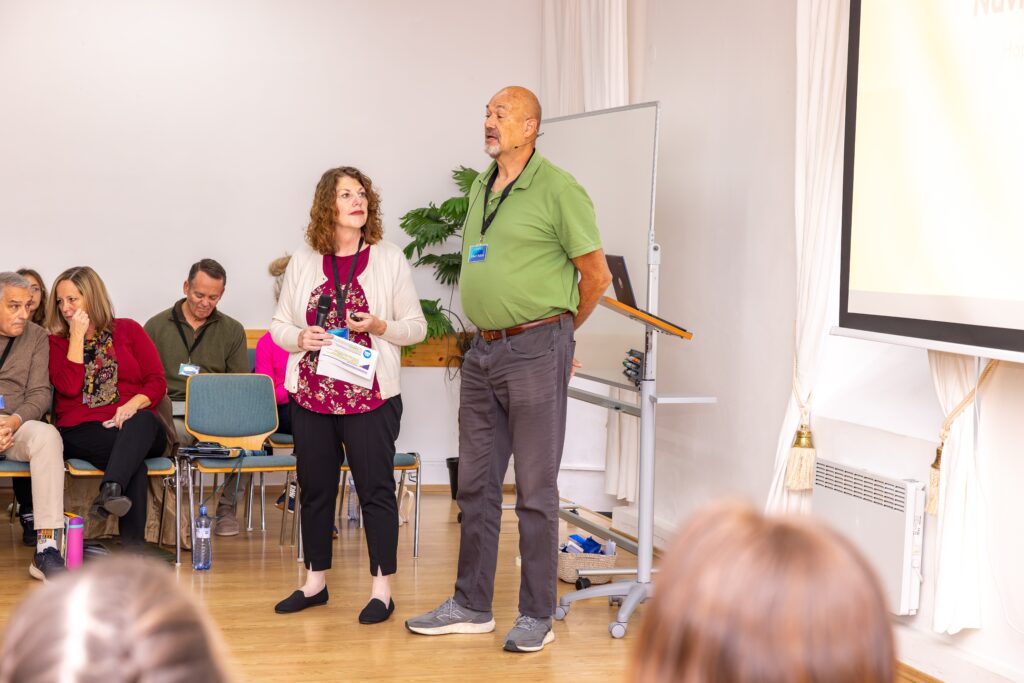
These lessons were taught by visiting mentors Albert and Julia Bakker, who brought their professional and personal experiences to the students.
Albert began working at age 12. He later served a religious mission in Los Angeles, California, and graduated from Brigham Young University with an associate degree in Spanish and a bachelor’s degree in business. He became a business owner and is now retired. He enjoys hiking, shooting, converting his van, and spending time with his wife.
Julia began working at age 14 and earned a bachelor’s degree in English and Communications from Weber State University. Her professional experience includes supporting people with disabilities, earning certifications in brain injury support and job development, and coaching a Special Olympics delegation for 20 years.
Julia also shared a reminder about personal growth: “Each experience becomes a stepping stone to the next goal or vision.”
Develop Your Communication Skills at Cumorah Academy
Becoming a better communicator takes practice. It requires self-awareness, active listening, and a willingness to learn from every interaction. These skills can help you build stronger relationships, contribute to a team, and prepare for future leadership opportunities.
At Cumorah Academy, young adults develop leadership and personal skills through practical learning, meaningful relationships, and experiences that encourage personal growth. They learn effective communication and other important leadership traits.
Are you ready to become a more confident communicator and a stronger leader? Explore Cumorah Academy and discover opportunities to develop your potential, strengthen your relationships, and prepare for your future.