Being a good leader requires many skills.
It takes organization, communication, teamwork, and decision-making. At Cumorah Academy, students explored these essential qualities through practical lessons on team management, time management, and delegation.
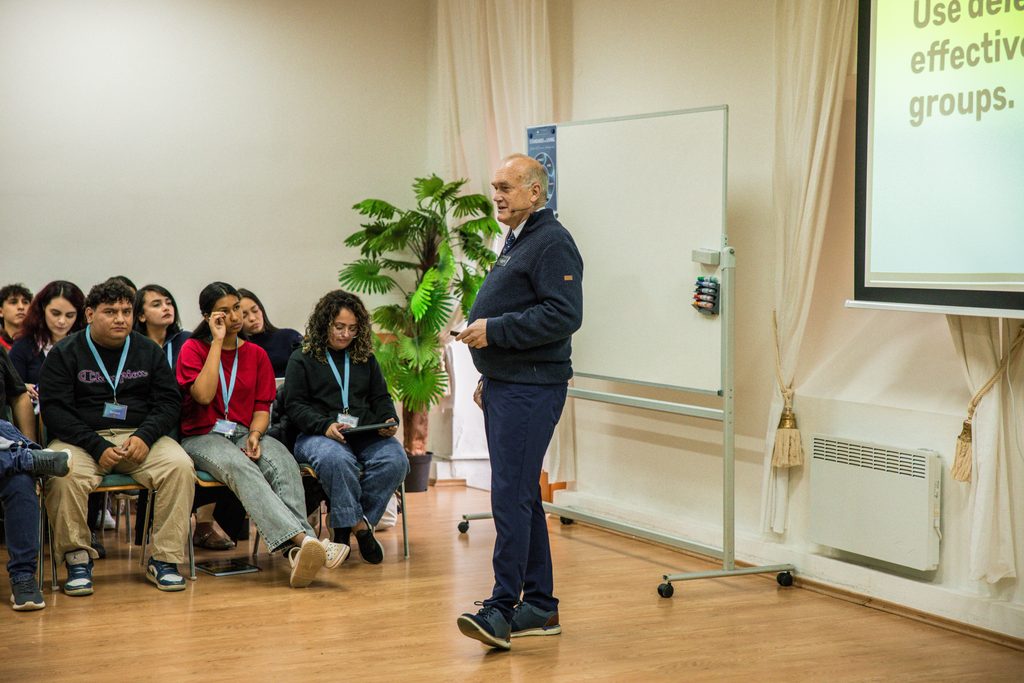
During this week’s leadership classes, students discovered new ways to organize their responsibilities and guide their teams. They studied the Eisenhower Matrix, explored different leadership personalities, and learned how to conduct productive meetings. These experiences helped them understand how to become more effective leaders in their communities.
Understanding Priorities With the Eisenhower Matrix
One of the first lessons focused on the Eisenhower Matrix, a practical tool that helps people organize tasks by importance and urgency.
Many people struggle to identify their priorities. They often spend too much time on tasks that demand immediate attention but contribute little to their long-term goals. Learning to distinguish between important and urgent responsibilities can help students make better decisions.
The Eisenhower Matrix divides tasks into four categories:
- Do: Important and urgent tasks that require immediate attention.
- Schedule: Important but not urgent tasks that contribute to long-term goals.
- Delegate: Urgent but less important tasks that someone else can handle.
- Eliminate: Tasks that are neither urgent nor important.
Understanding these categories helps students manage their time more intentionally. They can focus on what matters most.
This is one of the most practical leadership skills for students because effective team management starts with personal organization. Leaders who understand their priorities can guide others with greater clarity and confidence.
Discovering Different Leadership Personalities
Another interesting topic was the concept of Leadership Hats. This lesson introduced students to different personalities and strengths that people bring to group situations.
Not everyone approaches problems in the same way. Some people naturally take the lead, while others prefer gathering information, exploring creative solutions, identifying potential risks, or organizing processes.
The six leadership hats helped students recognize these different contributions. They also discovered that leadership does not always require having the same personality or approach as everyone else.
A successful team needs different perspectives. Someone who identifies possible problems can help the group avoid mistakes. A creative thinker can introduce new solutions. Meanwhile, an organized team member can turn ideas into practical steps.
Recognizing these differences helps students understand how to work with people who think differently. It also teaches them to value the contributions of every team member.
These leadership skills for students are especially valuable when they begin managing projects, organizing activities, or working toward shared goals.
Understanding the Stages of Team Development
Building a successful team takes time. Even when people share the same goal, they need opportunities to understand one another, establish responsibilities, and learn how to work together.
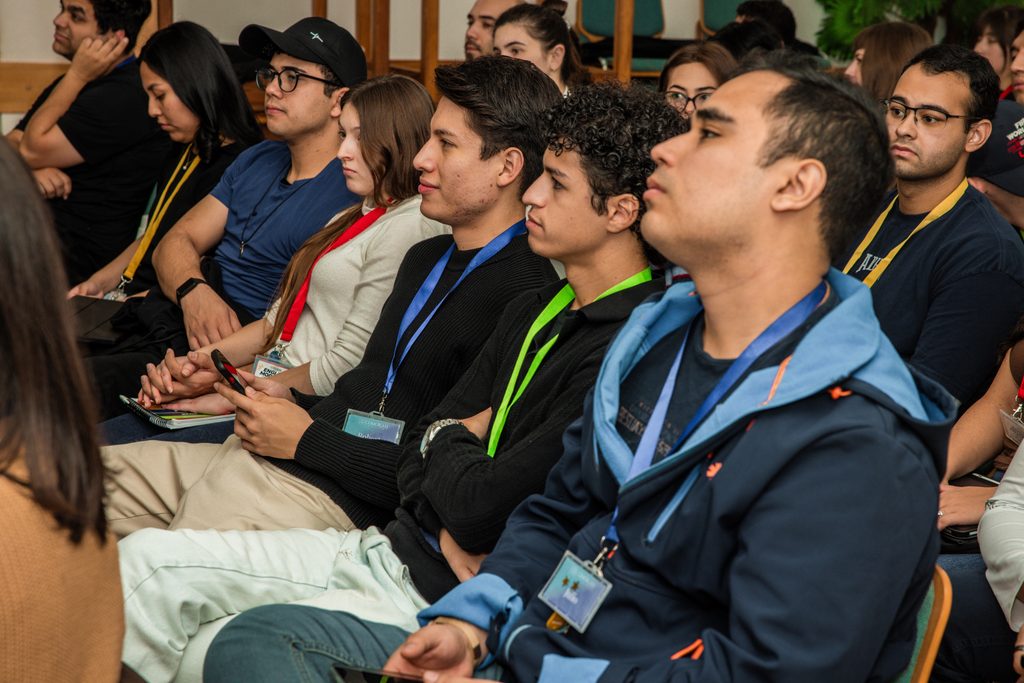
During the lessons, students explored the four stages of team development: forming, storming, norming, and performing.
- Forming: Team members meet, get to know one another, and begin understanding the group’s objectives.
- Storming: Differences in opinions and working styles may create disagreements. Team members learn to communicate and manage challenges.
- Norming: The group develops trust, establishes expectations, and becomes more comfortable working together.
- Performing: Team members understand their responsibilities and work effectively toward shared goals.
Understanding these stages helps students recognize that disagreements and challenges are normal parts of teamwork. A team does not become successful overnight. It requires patience, communication, and consistent effort.
For young leaders, knowing these stages makes it easier to identify what their teams need and how to support their development.
Learning to Delegate and Lead Effective Meetings
Delegation and meeting management were also important parts of the lessons.
Effective leadership requires knowing how to distribute responsibilities according to people’s strengths and abilities.
Leaders must communicate expectations, establish clear responsibilities, and trust their team members to complete their work.
Meetings also require preparation and purpose. Without a clear objective, conversations can become unproductive and waste everyone’s time.
A successful meeting should have a defined purpose, an organized agenda, opportunities for participation, and clear next steps. Everyone should understand what the team discussed and what responsibilities they need to fulfill afterward.
These practical leadership skills for students helped them understand how small improvements in communication and organization can make a significant difference in a team’s performance.
As Renan Duarte from Brazil explained:
“This week, we learned practical tools to manage our time and teams better. We studied the Eisenhower Matrix to prioritize our tasks. We also learned how to delegate effectively and run effective meetings with a clear purpose. These skills helped us to organize our House movement successfully.”
Learning From Visiting Mentors Kathleen and Rob
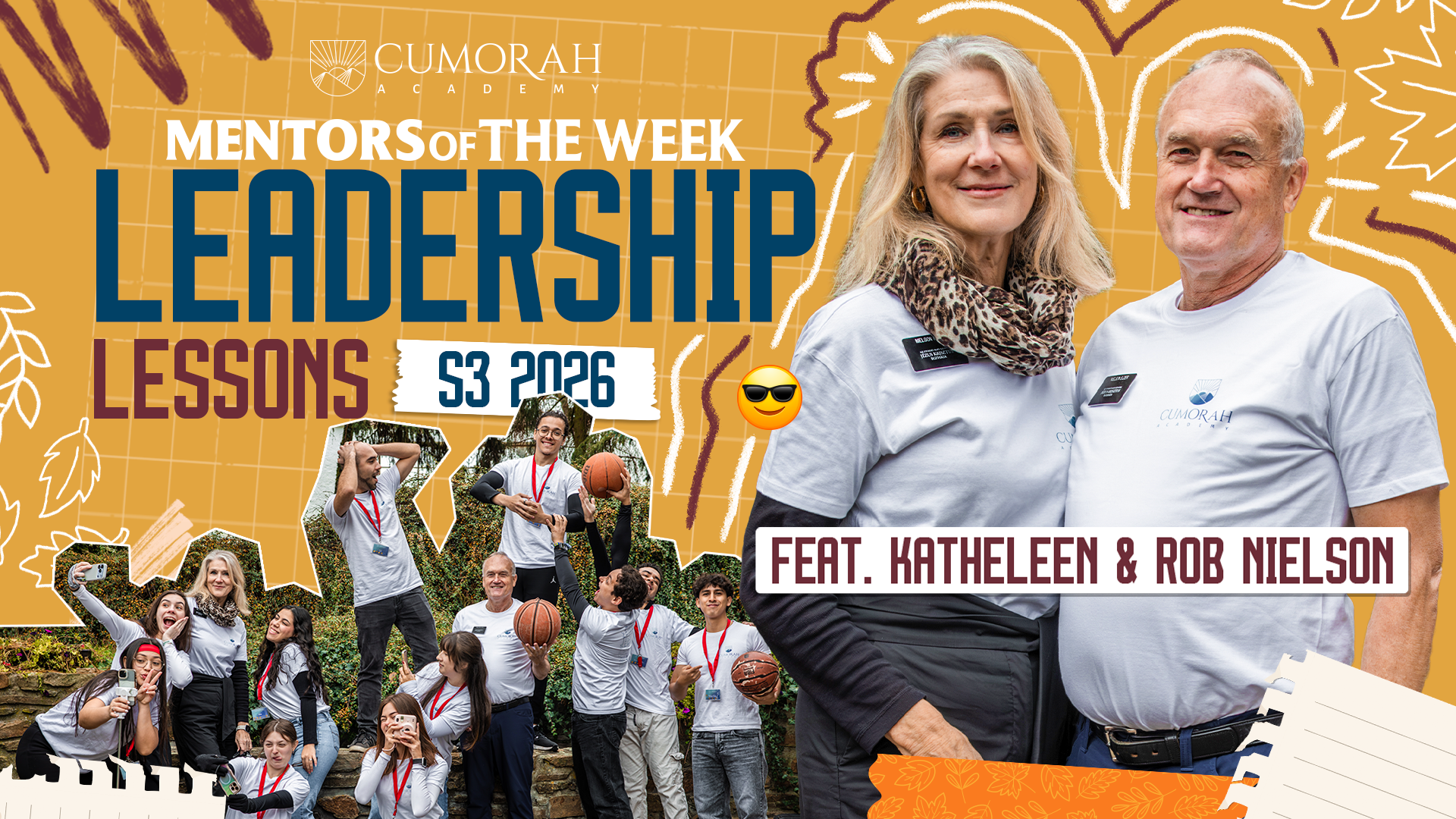
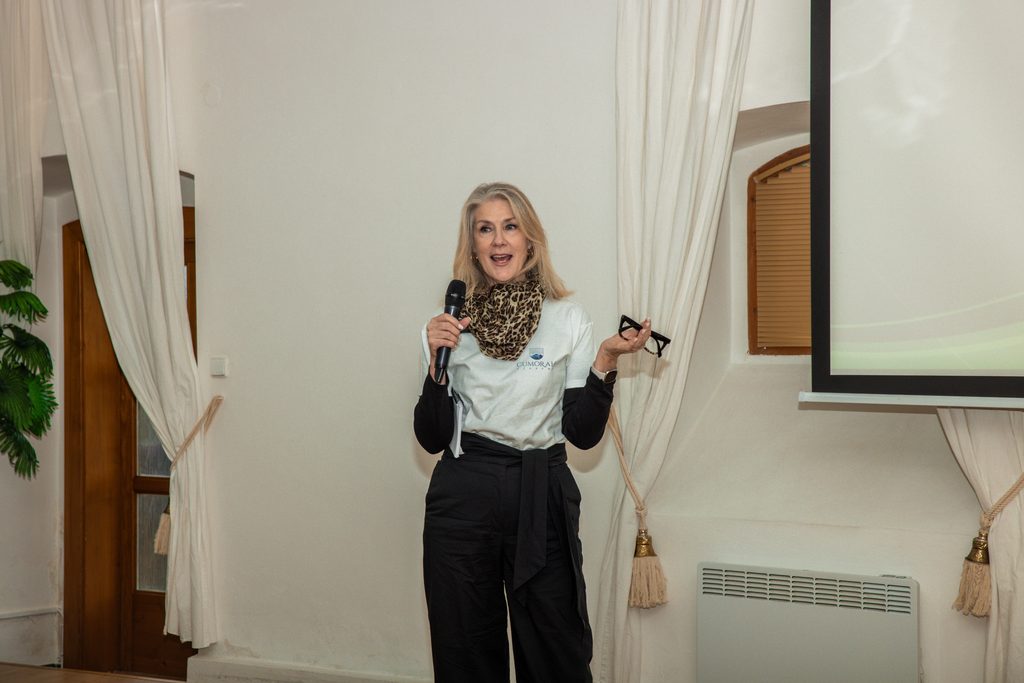
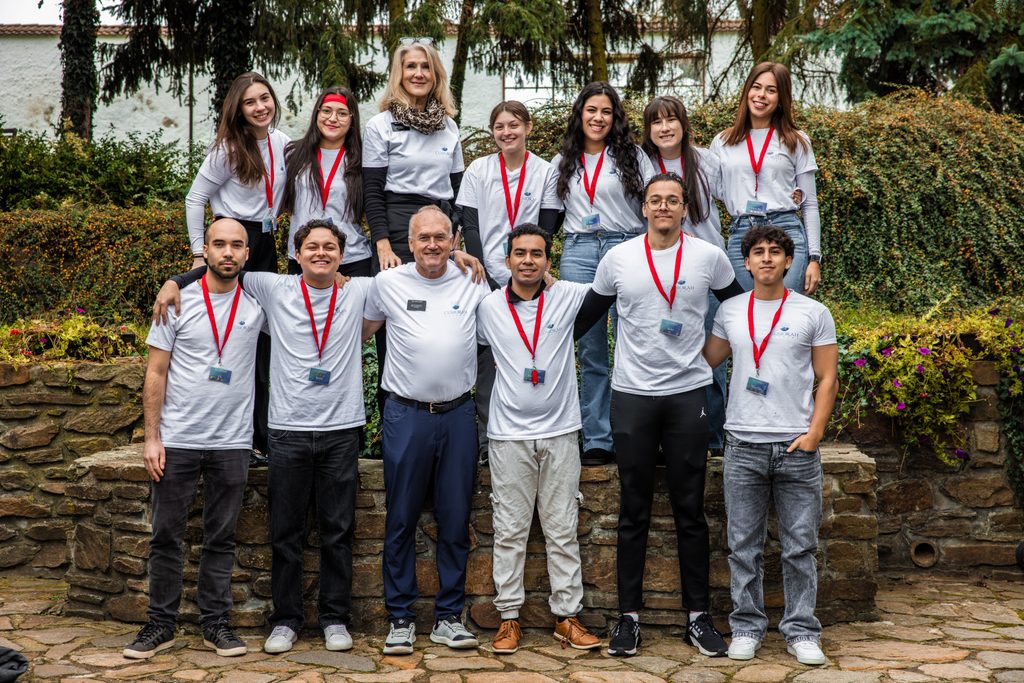
Our visiting mentors, Kathleen and Rob Nielson, guided students through these lessons and shared valuable insights from their experiences.
The couple met in college and married after three months of dating before moving to Hawaii. Rob received a scholarship to play college basketball, and together they raised four sons.
When their first child was born, Kathleen owned a modeling agency and was a member of the International Modeling and Talent Association.
Their professional experiences also included coaching young people across several states. Through this work, they helped young people develop teamwork abilities and become responsible citizens.
“We coached across several states, working with young people to try and teach them the same skills of team building and how to be good citizens,” Rob shared.
Their experience gave students an opportunity to learn from mentors who have worked directly with young people and understand the importance of developing leadership through practice.
Becoming a More Effective Leader
Leadership is a skill that develops through learning, experience, and consistent effort. Understanding priorities, recognizing different personalities, managing teams, and communicating effectively can help students become more confident in their responsibilities.
At Cumorah Academy, students have opportunities to put these leadership skills for students into practice through House activities, team projects, and community experiences.
The lessons they learn go beyond the classroom. They can apply these tools in their education, professional careers, families, and future leadership opportunities.
Ready to develop your leadership abilities and discover your potential? Join Cumorah Academy and become part of a community where you can learn, lead, and grow.